
Views: 0 Author: Site Editor Publish Time: 2026-02-10 Origin: Site


In today’s competitive manufacturing landscape, power press machines have become indispensable tools for industries aiming to achieve high efficiency, precision, and consistency. From automotive panels to electronics components, these machines streamline production, reduce material waste, and ensure tight tolerances, making them a cornerstone of modern manufacturing processes. Whether it’s stamping, bending, or cutting, understanding the advantages, challenges, and innovations in power press technology is crucial for businesses looking to stay ahead.
Power press machines offer several compelling benefits that make them essential in modern manufacturing. Here’s a detailed look at their key advantages:
Power presses excel at producing large volumes quickly. They can stamp, bend, or cut dozens of parts per minute, far outpacing manual methods. This speed helps manufacturers meet tight deadlines and scale production without adding labor. For example, automotive plants rely on mechanical presses to churn out thousands of identical panels daily, ensuring steady supply chains.
These machines deliver remarkable accuracy. Each part comes out nearly identical, maintaining tight tolerances crucial in industries like aerospace and electronics. This consistency reduces waste and rework, lowering overall production costs. Modern power presses often integrate CNC controls, further enhancing precision and repeatability.
Power presses handle a broad range of materials including steel, aluminum, copper, and some plastics. They adapt to various tasks such as punching, forming, and shearing. Quick die changes allow switching between different product types efficiently. This versatility suits diverse sectors—from appliance manufacturing to hardware production.
Though initial costs can be high, power presses pay off by lowering per-part expenses. High-speed operation and minimal material waste accelerate return on investment. For instance, some auto manufacturers report cutting part costs by over 70% after switching to power press stamping from CNC machining. Reduced labor needs also contribute to savings.
Built tough, power presses withstand continuous operation in harsh environments. Their robust construction and quality components mean fewer breakdowns and longer service life. With proper maintenance, these machines remain productive for years, making them a reliable asset for manufacturers.
Today's power presses often feature automation capabilities. Integration with factory control systems allows real-time monitoring, predictive maintenance, and adaptive settings. This reduces human error and downtime while improving product quality. Some models include robotic feeders and safety sensors, fitting seamlessly into smart factory environments.
Tip: To maximize productivity, regularly update your power press’s automation software and schedule preventive maintenance to avoid costly downtime and maintain precision.
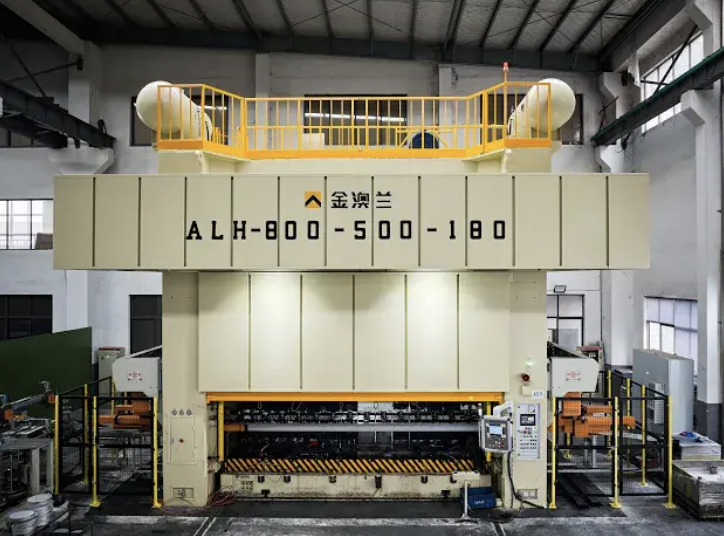
Power press machines have many benefits, but they also come with some notable drawbacks. Understanding these disadvantages helps manufacturers decide if a power press fits their needs.
One of the biggest hurdles is the upfront cost. Power presses, especially high-quality mechanical or hydraulic models, can be expensive to buy and install. For small or new businesses, this investment might be hard to justify. Besides the machine itself, costs include tooling, safety systems, and setup. Over time, these expenses add up before the machine even starts producing parts.
Operating a power press isn’t as simple as flipping a switch. Skilled operators are essential to run the machine safely and efficiently. These workers need training to understand machine settings, tooling changes, and troubleshooting. Hiring and training such personnel increases operational costs. Without skilled operators, the risk of errors and accidents rises significantly.
Power presses operate under intense pressure and speed, which leads to wear and tear. Regular maintenance is mandatory to avoid breakdowns and keep precision high. Maintenance tasks include inspecting bearings, hydraulic systems, and ram alignment. Repairs can be costly and time-consuming, especially if specialized parts are needed. Downtime during repairs can disrupt production schedules and increase costs.
Power presses are powerful machines capable of causing serious injuries if mishandled. Despite safety features like light curtains and two-hand controls, accidents still happen. Operators must stay vigilant and follow strict safety protocols. Investing in safety training and equipment is non-negotiable but also adds to expenses. The risk of injury remains a constant concern in facilities using power presses.
These machines consume significant energy, especially mechanical and hydraulic models. High energy use leads to increased operational costs and a larger carbon footprint. While newer servo-driven presses improve efficiency, power press energy demands remain a challenge. Manufacturers aiming for sustainability must balance performance with environmental concerns, sometimes requiring additional investments in energy-saving technologies.
Power presses excel at producing simple to moderately complex parts but struggle with intricate shapes. Features like undercuts, internal threads, or organic curves often require secondary operations or different machinery. This limitation can restrict the range of products a power press can manufacture. For highly complex components, combining presses with CNC machining or other processes is common.
Tip: To reduce risks and costs, invest in comprehensive operator training and schedule regular preventive maintenance for your power press machines.
Operating power press machines safely is crucial. These machines pack a punch, and mishandling can lead to serious injuries or worse. To keep your workplace safe and productive, follow these essential safety measures and best practices.
Well-trained operators are the first line of defense against accidents. Training should cover machine operation, emergency procedures, and maintenance basics. Skilled operators can spot potential hazards early and respond correctly. Regular refresher courses help keep safety top of mind and improve handling of new technologies or updated equipment.
Modern presses come loaded with safety features designed to protect workers. These include:
Light Curtains: Infrared beams that stop the press if interrupted, preventing hands or objects from entering dangerous zones.
Two-Hand Controls: Require both hands to activate the press, keeping them away from moving parts.
Emergency Stop Buttons: Instantly halt operations in emergencies.
Anti-Repeat Circuits: Prevent accidental repeated cycles.
Safety Guards and Shields: Physical barriers that block access to hazardous areas.
Choosing machines with these features significantly reduces injury risks.
Regular maintenance keeps safety systems working properly and the machine running smoothly. Schedule inspections to check:
Wear and tear on moving parts
Proper functioning of safety devices
Hydraulic and electrical system integrity
Ram alignment and lubrication
Document inspections and repairs to track machine health. Neglecting maintenance increases breakdowns and hazards.
Operators should wear appropriate protective equipment such as:
Safety glasses or face shields
Gloves suited for handling metal parts
Ear protection in noisy environments
Steel-toed boots
In addition, install physical barriers or fencing around the press to keep unauthorized personnel away. Clear signage warning of hazards also helps maintain awareness.
Safety isn't just about rules and gear; it’s a mindset. Encourage open communication where workers report hazards or near misses without fear. Hold regular safety meetings and involve employees in identifying risks and solutions. Reward safe behavior and continuous improvement efforts. A culture of safety leads to fewer accidents and higher morale.
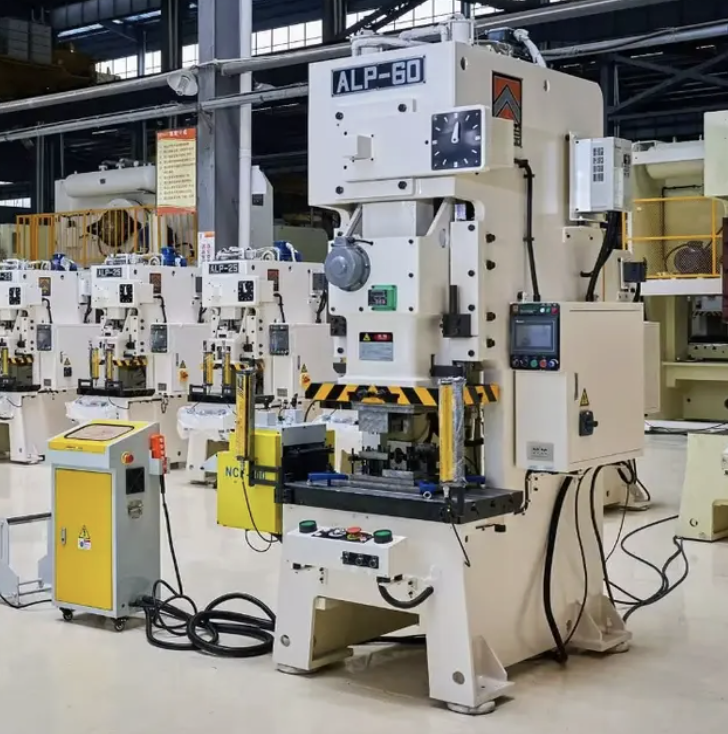
Power press technology is rapidly evolving, driven by the push for smarter, safer, and more efficient manufacturing. Here are some of the key trends shaping the future of power presses:
Power presses are becoming connected devices in smart factories. Sensors embedded in the machines collect real-time data on performance, wear, and output quality. This data feeds into factory management systems, enabling better decision-making and faster response to issues. IoT connectivity allows remote monitoring, reducing downtime by alerting operators before problems escalate. For example, a press could signal when a die needs replacement, preventing defective parts.
Automation continues to transform power press operations. Robotic arms now handle loading and unloading, increasing speed and reducing human exposure to hazards. Automated tool changers allow presses to switch tasks quickly, boosting flexibility for small batch runs. Combined with machine vision systems, robots can inspect parts for defects immediately, ensuring quality control without slowing production.
Manufacturers focus on reducing energy consumption to cut costs and meet environmental goals. Servo-driven presses are gaining popularity because they use electricity more efficiently than traditional mechanical or hydraulic systems. These presses only consume power when moving, unlike flywheel-driven machines that run continuously. Innovations in hydraulic systems also reduce energy waste by optimizing fluid flow and pressure.
AI is starting to play a major role in power press upkeep. Machine learning algorithms analyze sensor data to predict when components will fail or need servicing. This predictive maintenance prevents unexpected breakdowns and extends machine life. AI can also optimize press settings in real time, adjusting force or speed to maintain product quality as tooling wears down. This reduces scrap rates and improves uptime.
Future power presses will offer more customization to fit diverse manufacturing needs. Modular designs allow users to add or swap components like different rams, control systems, or safety features. This flexibility helps manufacturers adapt presses to new products without buying entirely new machines. Customizable software interfaces also make it easier for operators to program complex tasks quickly.
Safety remains a top priority. New systems use AI-powered cameras and sensors to detect unsafe conditions or worker proximity to danger zones. These systems can automatically slow or stop the press if a risk is detected. Advanced light curtains and pressure-sensitive mats add layers of protection. Integrating AI enables smarter responses to emergencies, reducing accidents and improving worker confidence.
A: Skilled operators ensure safe, efficient power press operation, reducing accidents and maintaining product quality through proper machine handling.
A: Costs depend on machine type, size, automation level, tooling, and maintenance, with initial investment often high but offset by long-term savings.
A: Power presses offer faster, cost-effective mass production of simple parts, while CNC machining excels at complex geometries and customization.
A: Regular maintenance, checking alignment, inspecting safety devices, and ensuring proper lubrication help prevent breakdowns and maintain precision.
Power press machines offer high efficiency, precision, and versatility but require skilled operation and significant investment. Maintenance challenges and safety risks are important considerations before purchasing. These machines remain vital in modern manufacturing, enabling large-scale, consistent production. Future trends focus on sustainability and smart technology integration for better efficiency. Zhejiang Jinaolan Machine Tool Co., Ltd. provides advanced power press solutions that combine durability, automation, and safety to deliver reliable value for manufacturers.