
Views: 0 Author: Site Editor Publish Time: 2026-02-11 Origin: Site


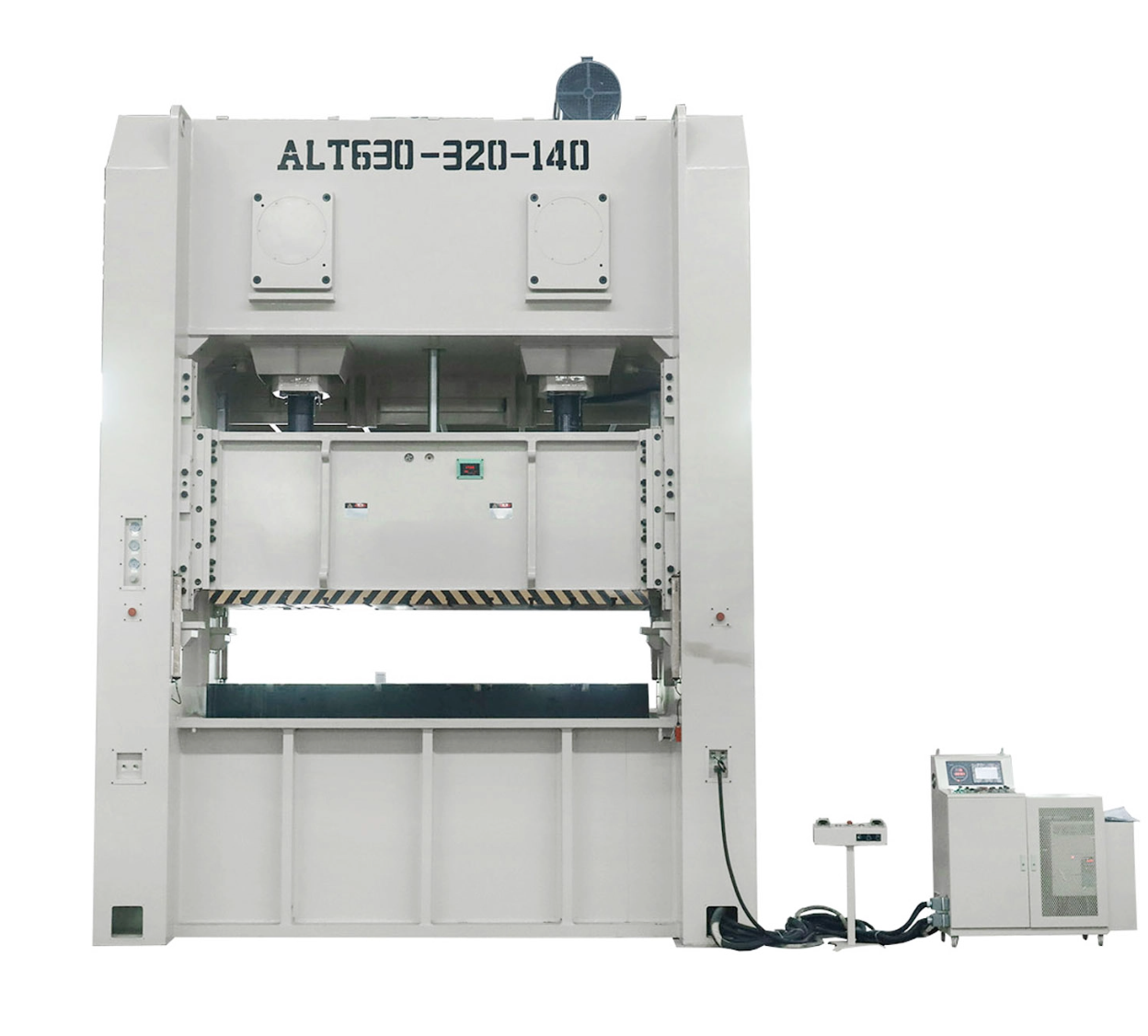
The H Frame Power Press is a cornerstone of modern workshops and manufacturing units, offering unmatched strength and precision. Whether you’re forming metal, molding plastics, or performing assembly tasks, these versatile hydraulic presses deliver consistent performance for a variety of industrial applications. From manual H-frame presses for small shops to electric and pneumatic-hydraulic models for high-volume production, they combine durability, control, and efficiency. Let’s explore the types, applications, and benefits of H-frame presses, and see why they are essential tools for both small-scale and industrial operations.
An H-frame press is a type of hydraulic press recognized by its sturdy, H-shaped frame. They are sometimes called shop presses because many workshops rely on them for heavy-duty tasks. Unlike C-frame presses, which have a single open side, or four-column presses, which use four vertical guides for precision, the H-frame offers a balance of strength, accessibility, and stability.
Key components include:
Frame: The H-shaped structure that provides rigidity and support
Hydraulic cylinder: Converts fluid pressure into linear force
Ram/piston: The part that applies pressure to the workpiece
Work table/bed: Where materials sit during pressing operations
| Component | Function |
|---|---|
| Frame | Maintains stability and reduces deflection under heavy loads |
| Hydraulic Cylinder | Generates force using fluid pressure |
| Ram/Piston | Transfers force from cylinder to workpiece |
| Work Table/Bed | Holds the material for shaping, bending, or assembling |
H-frame presses have a long history in industrial manufacturing. They evolved from mechanical shop presses that required more physical effort. Over time, hydraulic systems replaced manual cranks, allowing for higher force and smoother operation.
They became essential in industrial automation, metal forming, and precision work. Factories can now produce consistent parts faster. Workshops, both small and large, use H-frame presses for tasks like straightening metal, assembling components, or forging parts.
At the heart of an H-frame press is a hydraulic system. It uses an incompressible fluid, usually oil, to transmit force. A small piston pushes the fluid into a larger cylinder. This amplifies the force, allowing operators to exert tons of pressure with little effort.
Control systems vary. Some presses are manual, operated by levers or hand pumps. Others use PLC (programmable logic controllers) or touchscreen interfaces. These allow precise control over:
Pressure applied
Ram speed
Stroke length
Steps of operation:
Operator sets pressure using control system
Pump moves hydraulic fluid into cylinder
Ram applies force on workpiece
Fluid returns to reservoir after stroke
They are quiet, precise, and can maintain pressure steadily for a long time—perfect for forming metal, pressing bearings, or other industrial tasks.
A manual H-frame press is simple and easy to operate. They use a lever or hand pump to move the hydraulic fluid and apply force.
Ideal for small workshops and light-duty tasks
No electricity needed, so perfect for locations with limited power
Operator has full control over speed and pressure
These presses are great for tasks like bending small metal sheets, pressing bearings, or hobbyist projects.
Electric H-frame presses use an electric motor to drive the hydraulic pump, offering more power and faster cycles.
Continuous operation for long production runs
High productivity due to steady and strong force
Programmable functions and automatic cycles for precision work
They are widely used in manufacturing units, automotive assembly, and metal forming where repeatability and speed matter.
The pneumatic-hydraulic H-frame press combines the speed of compressed air with the strength of hydraulic pressure.
Quick and precise operation
Ideal for assembly lines or high-volume pressing tasks
Produces less heat and noise, making it cleaner for indoor use
These presses are perfect for jobs that need both speed and force, such as inserting bearings, pressing components, or light forging.
| Type | Operation / Power Source | Key Features | Ideal Use Cases |
|---|---|---|---|
| Manual H-Frame Press | Lever or hand pump | Full control, no electricity, simple operation | Small workshops, light-duty tasks, hobby projects |
| Electric H-Frame Press | Electric motor-driven hydraulic pump | Continuous operation, high productivity, programmable cycles | Manufacturing units, automotive assembly, metal forming |
| Pneumatic-Hydraulic Press | Compressed air + hydraulic pressure | Fast and precise, low heat/noise, ideal for high-volume | Assembly lines, pressing components, light forging |
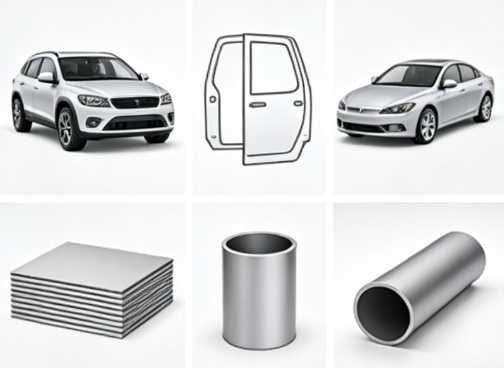
H-frame presses are ideal for shaping and forming metal. They can stamp, bend, straighten, and deep draw materials easily.
Automotive body panels, doors, and hoods
Metal sheets, tubes, and structural components
Achieve uniform force and precise shapes
They allow manufacturers to create complex curves and angles that manual tools cannot handle.
These presses excel in forging, both hot and cold. The controlled pressure strengthens the metal grain and enhances durability.
Engine parts, shafts, and critical components
Aircraft parts and structural metal elements
Consistent force ensures stronger, defect-free parts
H-frame presses maintain stability even under heavy loads, making them perfect for demanding forging tasks.
H-frame presses make assembly tasks faster and more reliable. They press-fit components like bearings, gears, and shafts.
Electronics assembly: circuit boards and connectors
Furniture: joints, hardware, and fittings
Automotive: installing bushings or bearings
The precise control prevents damage to delicate components while ensuring tight and secure connections.
These machines are excellent for punching and cutting materials. They produce clean, accurate results with minimal vibration.
Sheet metal: holes, slots, or custom shapes
Fabric and leather: patterns for shoes, bags, clothing
Reduced material waste and professional edges
H-frame presses can be paired with custom dies for repeatable and precise cuts.
H-frame presses are widely used for plastic molding, including compression and transfer molding.
Create parts with smooth surfaces and tight tolerances
Automotive plastic panels, bottle caps, and housings
Consistent pressure ensures high-quality finished products
The steady force also prevents warping or defects during molding.
Hydraulic H-frame presses help in powder metallurgy. They compact powdered materials into dense, strong components.
Gears, bearings, and precision parts
Custom-shaped components that are difficult to machine
Produces high-density, uniform metal parts
This method is cost-effective for complex shapes and reduces material waste.
H-frame presses can simulate real-world forces for testing purposes. They are used to measure material strength and product durability.
Compression and tensile testing of metals, plastics, and composites
Safety testing for structural parts or appliances
Helps manufacturers identify weak points before production
They provide accurate data to ensure reliability and compliance with industry standards.
H-frame hydraulic presses are built to handle heavy loads without bending or warping. Their H-shaped frame distributes force evenly, minimizing deflection even during tough jobs.
Supports high-capacity pressing operations
Maintains accuracy on large or thick workpieces
Ideal for forging, deep drawing, and metal forming
They give workshops a solid, reliable platform for precision work.
These presses excel in precision. Modern H-frame presses often feature programmable controls, PLCs, or touchscreen interfaces.
Operators can adjust force, speed, and stroke
Smooth, even pressure ensures repeatable results
Reduces risk of workpiece damage during pressing
This combination of stability and control makes them perfect for both small-scale and industrial operations.
H-frame presses handle multiple operations easily, from bending and punching to molding and forging.
Compatible with various dies, jigs, and attachments
Can work on metals, plastics, composites, and powders
Switch tasks quickly without changing machines
This versatility allows factories and workshops to maximize machine usage for different applications.
The hydraulic systems in H-frame presses are designed to last. Regular inspections and fluid checks help maintain smooth operation.
Robust cylinders and pistons resist wear
Long service life even under heavy use
Less downtime, fewer repair costs
Investing in an H-frame press means reliable performance for years.
Safety is a key priority. H-frame presses include features that protect operators while keeping workflow efficient.
Emergency stop buttons, safety guards, and light curtains
Open-front design improves accessibility
Reduces risks when loading or unloading heavy parts
These features help create a safer, more productive workshop without compromising performance.
| Advantage | Feature / Benefit | Example Applications |
|---|---|---|
| Structural Strength | Minimal frame deflection under heavy load | Forging, deep drawing |
| Precision & Control | Programmable strokes, smooth pressure | Punching, forming |
| Versatility | Multiple dies & attachments | Molding, bending, assembling |
| Durability | Robust hydraulic system, long lifespan | Continuous industrial use |
| Safety Features | Guards, emergency stops, open-front design | Workshop safety & productivity |
A: H-frame presses can handle a wide range, typically from 10 tons for small models up to 1000+ tons for heavy-duty industrial machines, depending on the design and application.
A: They are versatile and can process both metals and plastics, including compression and transfer molding for precise plastic components.
A: Modern presses use variable-speed pumps and energy recovery systems, consuming power only when active, making them highly energy-efficient.
A: Essential safety features include emergency stops, safety guards, light curtains, and open-front design for better accessibility and safer operation.
H-frame presses bring power, precision, and versatility to every production line, whether you’re shaping metal, compacting powders, or molding plastics. Their robust design and advanced controls make them ideal for repeatable, high-quality results, keeping operations smooth and safe.
For businesses looking to enhance efficiency and reliability, Zhejiang Jinaolan Machine Tool Co., Ltd. offers a wide range of H Frame Power Presses tailored to different industrial needs. Discover how these machines can elevate your workshop productivity today.