
Views: 0 Author: Site Editor Publish Time: 2026-02-10 Origin: Site


Is your C Frame Power Press running at its best? Neglecting maintenance can cause costly breakdowns and safety risks. Regular upkeep is essential for longevity and optimal performance. In this post, you’ll learn key maintenance tips, daily checklists, and safety practices to keep your press efficient and safe.
Maintaining your C Frame Power Press daily is key to keeping it running smoothly and avoiding costly downtime. A simple routine inspection and upkeep can catch small issues before they become big problems. Here’s a practical checklist to follow every day:
Start by checking all hydraulic lines and fittings for leaks, cracks, or signs of wear. Hydraulic fluid leaks reduce system pressure and can cause erratic ram movement. Look for wet spots or drips around hoses, connectors, and seals. If you spot any leaks, tighten fittings or plan for hose replacement immediately to prevent bigger failures.
Next, check lubrication levels in all reservoirs and grease points. Proper lubrication reduces friction and prevents wear on moving parts like bearings, slides, and gears. Use the manufacturer’s recommended lubricants and avoid over-greasing, as excess grease can trap dirt and cause damage. Top up oil or grease as needed and ensure all lubrication points receive adequate coverage.
Loose bolts in the tooling area can cause vibrations, misalignment, and unsafe operation. Inspect all bolts, screws, and fasteners around the die, ram, and bolster plate. Use a torque wrench to tighten any loose hardware to the specified torque values. Regular tightening prevents mechanical failures and maintains pressing accuracy.
Keep an eye on the oil temperature gauge, aiming for the optimal range—usually around 120°F (49°C). Overheated oil loses viscosity and can damage hydraulic components. Also, observe the ram’s condition: it should appear moist from lubrication but not dripping oil. Excess oil on the ram could indicate seal wear or over-lubrication, which needs addressing.
Finally, clean the machine daily to remove metal shavings, dust, and dirt. Debris buildup can clog lubrication points, scratch surfaces, and cause premature wear. Use brushes, lint-free cloths, or compressed air to clear critical areas like the slide, ram, and hydraulic fittings. Avoid water or solvents that might cause rust or damage seals.
| Maintenance Task | What to Check / Do |
|---|---|
| Inspect Hydraulic Lines and Fittings | Look for leaks, cracks, or wear. Tighten fittings or replace hoses if needed. |
| Check Lubrication Levels | Ensure oil/grease at proper levels. Lubricate bearings, slides, gears. Avoid over-greasing. |
| Tighten Bolts and Fasteners | Inspect all bolts in tooling area. Tighten to manufacturer-specified torque to prevent misalignment. |
| Monitor Oil Temperature & Ram | Keep oil near 120°F (49°C). Check ram for proper lubrication, not excess oil. |
| Clean Machine | Remove shavings, dust, and dirt from slides, ram, and fittings. Use brushes, cloth, or compressed air. |
Every month, take time for thorough checks beyond daily routines. Start by examining hydraulic fluid for contamination. Look for discoloration, cloudiness, or particles that could harm the hydraulic system. Contaminated fluid reduces efficiency and can damage seals and valves. If contamination is found, schedule a fluid change immediately to keep the system clean and responsive.Next, test the thermostat and cooling system. The thermostat regulates oil temperature, preventing overheating. Use a thermometer or diagnostic tool to verify it activates at the correct temperature. Also, inspect cooling fans and heat exchangers for dust or blockages. A malfunctioning cooling system can cause hydraulic fluid to overheat, reducing its effectiveness and risking component damage.Electrical inspections are also crucial monthly. Check wiring, connectors, and control panels for signs of wear, corrosion, or loose connections. Faulty electrical parts can cause erratic machine behavior or safety hazards. Tighten any loose terminals and replace damaged wires promptly. Ensure control buttons and emergency stops function correctly.
Once a year, perform deeper preventive maintenance to extend machine life. Start with an oil sample analysis. Send a fluid sample to a lab or use onsite kits to check for metal particles, moisture, or chemical breakdown. This analysis reveals hidden wear or contamination that routine checks might miss. Based on results, plan fluid replacement or system flushing.Next, replace seals and gaskets. These parts degrade over time, risking leaks and pressure loss. Inspect all hydraulic seals, O-rings, and gaskets for cracks or brittleness. Replace any worn or damaged seals to maintain system integrity and prevent fluid leaks.Conduct a full hydraulic system review. Check pumps, valves, cylinders, and hoses for wear or damage. Test pressure settings and cycle times to ensure the system operates within manufacturer specifications. Replace filters to maintain fluid cleanliness. This review helps catch early signs of failure and maintains optimal machine performance.
Hydraulic valve coils and other components can wear or become outdated. Consider upgrading these parts during annual maintenance to improve reliability and efficiency. Newer coils often offer better response times and energy savings. Consult your machine’s manufacturer or service provider for compatible upgrade options. Upgrading can reduce downtime and extend the machine’s operational life.
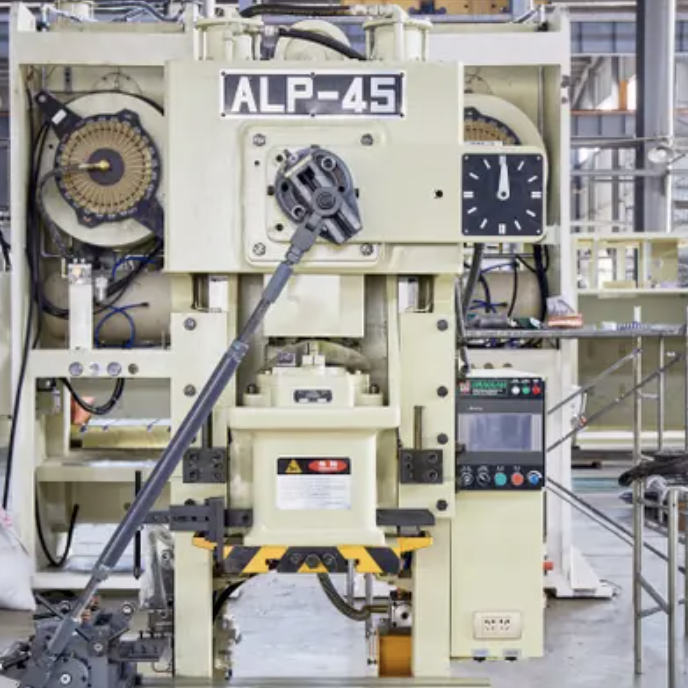
Knowing exactly where to lubricate your C Frame Power Press is key. Common lubrication points include:
Bearings on the ram and slide
Guide rails and bushings
Gearboxes and shafts
Hydraulic system components (as specified)
Use lubricants recommended by the machine's manufacturer. Usually, high-quality grease suits bearings and slides, while hydraulic oil matches the hydraulic system's needs. Using the wrong lubricant can cause damage or reduce efficiency.
Stick to a regular lubrication schedule based on the manufacturer's guidelines and machine usage. Daily light lubrication often keeps moving parts running smoothly, while deeper greasing happens weekly or monthly.Avoid over-greasing. Too much grease can trap dirt and debris, which leads to abrasion and wear. It may also cause seals to fail or parts to stick. Apply just enough lubricant evenly to all points.
Keep an eye on lubricant quality. Check for contamination like metal particles, dirt, or moisture. Dirty or degraded lubricants lose effectiveness and can accelerate wear.Replace lubricants periodically. For hydraulic oil, follow testing schedules to detect breakdown or contamination early. Clean grease fittings before applying fresh grease to prevent buildup.
Automated lubrication systems can help maintain consistent lubrication without relying on manual application. They deliver precise amounts of lubricant at set intervals, reducing human error and saving time.Benefits include:
Improved machine uptime
Reduced lubricant waste
More even coverage on lubrication points
Lower risk of over- or under-lubrication
For busy workshops or multi-shift operations, automated systems are a smart investment to keep your C Frame Power Press running efficiently.
The hydraulic fluid is the lifeblood of your C Frame Power Press. Keeping it clean and at the right level ensures smooth, powerful operation. Check fluid levels daily, topping up as needed using the manufacturer’s recommended hydraulic oil. Over time, fluid degrades and picks up contaminants like dirt, metal particles, or moisture. These impurities reduce lubrication quality and can cause damage to seals, valves, and pumps. Schedule regular fluid changes based on hours of operation or manufacturer guidelines. Using clean, high-quality fluid prevents premature wear and keeps the system responsive.
Leaks in hydraulic hoses, seals, or connections cause pressure loss and erratic machine behavior. Inspect these components regularly for cracks, bulges, or wet spots. Pay close attention to hose clamps and fittings, tightening or replacing them if necessary. Damaged seals often cause slow leaks that may be harder to detect but can lead to bigger problems. Replace worn or brittle seals promptly to maintain system integrity and avoid costly downtime.
The hydraulic pump generates the power that moves the ram. Listen for unusual noises like whining or knocking, which may indicate wear or cavitation. Monitor pressure gauges to ensure the system maintains correct pressure levels during operation. If pressure fluctuates or is too low, it can cause jerky ram movement or reduce pressing force. Test pump output and pressure settings regularly, adjusting or servicing the pump as needed to keep performance steady and reliable.
Filters trap contaminants before they damage hydraulic components. Dirty or clogged filters reduce fluid flow and pressure, stressing the system. Replace filters according to the maintenance schedule or sooner if contamination is detected. Use filters recommended by the manufacturer to ensure proper fit and filtration efficiency. Clean fluid and filters extend the life of pumps, valves, and cylinders, improving overall machine reliability.
Hydraulic systems operate under high pressure, posing safety risks during maintenance. Always depressurize the system before servicing hoses, fittings, or components to prevent fluid injection injuries. Wear appropriate personal protective equipment (PPE), including gloves and eye protection. Follow lockout/tagout procedures to ensure the machine cannot start unexpectedly. Use tools rated for hydraulic work and dispose of used fluids properly. Training maintenance staff on hydraulic safety procedures is essential to prevent accidents.
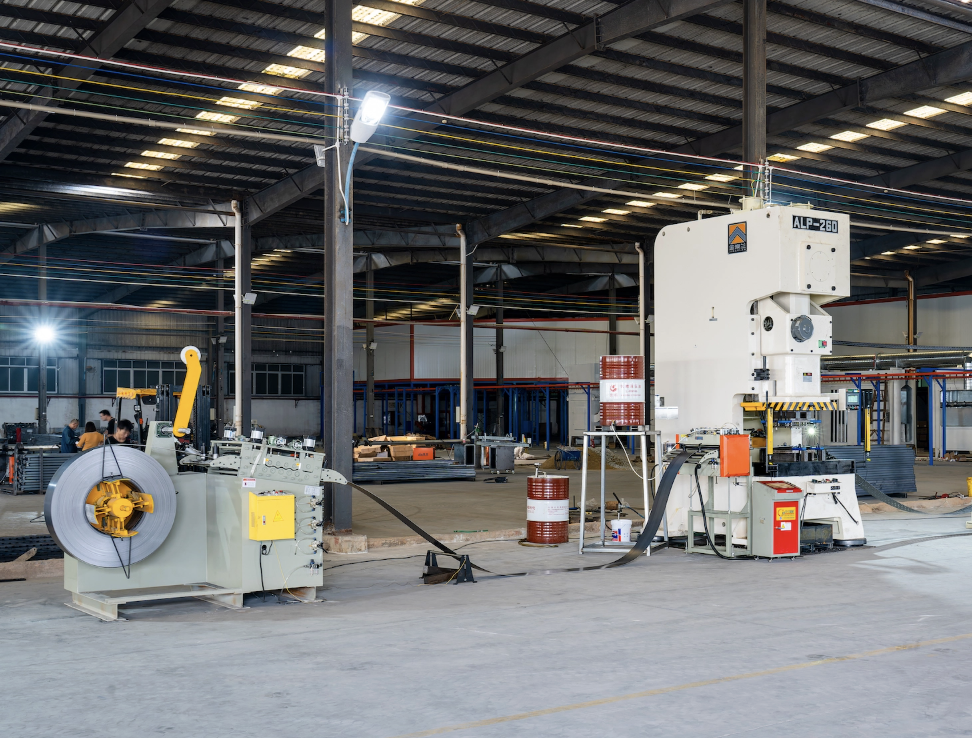
Jerky or uneven ram movement often signals hydraulic fluid issues. Low fluid levels reduce pressure, causing the ram to hesitate or move unevenly. Contaminated fluid with dirt or air bubbles also disrupts smooth operation. Check fluid levels daily and look for discoloration or cloudiness. Replace fluid if it appears dirty or if ram movement remains jerky after topping up. Bleed the hydraulic system to remove trapped air, which can cause erratic ram strokes.
Unusual noises like squeaks, rattles, or grinding often stem from loose bolts or insufficient lubrication. Vibrations loosen fasteners over time, leading to noisy operation and misalignment. Inspect all bolts and fasteners in the tooling and slide areas regularly. Use a torque wrench to tighten them to manufacturer specs. Next, check lubrication points for dryness. Apply the recommended lubricant evenly to bearings, guides, and slides. Properly lubricated parts move quietly and last longer.
Oil leaks usually come from worn seals or damaged hoses. Leaks not only waste hydraulic fluid but also reduce pressure and risk contamination. Inspect seals around cylinders and fittings for cracks, brittleness, or deformation. Examine hoses for cracks, bulges, or abrasions. Replace any damaged seals or hoses promptly. Clean the area after repairs to monitor for new leaks. Keeping the hydraulic system sealed ensures consistent pressure and prevents costly breakdowns.
Overheating can degrade hydraulic fluid and damage components. If the oil temperature rises above the recommended range, check the cooling system first. Clean cooling fans, heat exchangers, and oil coolers to remove dust or blockages. Test thermostats to ensure they activate at the right temperature. Faulty thermostats or clogged cooling elements cause fluid to overheat. Repair or replace malfunctioning parts immediately. Maintaining proper oil temperature extends component life and preserves hydraulic efficiency.
Operators play a vital role in catching issues early. Train them to recognize signs like jerky ram movement, unusual sounds, oil spots, or overheating alerts. Encourage reporting problems immediately rather than ignoring them. Provide basic troubleshooting skills so they can perform initial checks, such as tightening bolts or checking fluid levels. Early detection prevents minor faults from escalating into costly repairs or downtime. Regular refresher training keeps operators confident and proactive.
Safety devices like guards, interlocks, and emergency stops are crucial for protecting operators from injury. Guards must cover all moving parts to prevent accidental contact. Interlocks ensure the press cannot operate if guards are open or removed. Test emergency stops daily to confirm they quickly halt the machine. Any malfunctioning safety device requires immediate repair or replacement to maintain a safe working environment.
Regularly inspect electrical wiring and control systems for wear, damage, or loose connections. Frayed wires or corroded terminals can cause shorts or unexpected machine starts, posing serious risks. Secure loose wires and replace damaged components promptly. Check control panels and buttons for proper function, especially emergency stop controls. Keeping electrical systems safe prevents accidents and unplanned downtime.
Well-trained operators are key to safe, efficient maintenance. Train them on routine inspections, lubrication, and identifying early signs of wear or malfunction. Teach emergency procedures, including how to use emergency stops and perform lockout/tagout. Operators should understand hazards and know how to respond quickly to prevent accidents. Regular refresher courses keep skills sharp and safety top of mind.
Lockout/tagout procedures ensure machines are fully powered down and cannot restart during maintenance. Operators and technicians must follow these protocols strictly to avoid accidental energizing. Using proper PPE—such as gloves, safety glasses, and hearing protection—is essential when working on or near the press. PPE reduces injury risk from flying debris, noise, or hydraulic fluid leaks.
Building a safety-first culture means encouraging open communication about hazards and near misses. Promote reporting of safety concerns without fear of blame. Recognize and reward safe behavior. Make safety meetings and audits routine parts of operations. When everyone prioritizes safety, the risk of accidents decreases, and maintenance becomes more effective.
A: Maintain hydraulic fluid quality and levels, inspect hoses and seals for leaks, test pump performance, replace filters regularly, and follow safety protocols during servicing.
A: Proper lubrication reduces friction, prevents wear on moving parts, and ensures smooth operation, extending the machine's longevity and performance.
A: Costs depend on parts replacement, hydraulic fluid changes, labor for inspections and repairs, and whether automated lubrication or service partnerships are used.
A: The C Frame offers better accessibility and precision for smaller workpieces due to its open "C"-shaped design, making it ideal for detailed pressing tasks.
A: Operators should inspect safety devices, follow lockout/tagout procedures, wear PPE, and receive training on emergency stops and maintenance protocols.
Proper maintenance is essential for maximizing the longevity and performance of C Frame Power Press machines. Regular inspections, lubrication, and hydraulic system care prevent costly breakdowns and ensure smooth operation. Preventive maintenance saves money by reducing downtime and extending machine life. Implementing structured maintenance programs enhances safety and efficiency in the workplace. Prioritizing these practices supports long-term success and reliable production. Zhejiang Jinaolan Machine Tool Co., Ltd. offers high-quality C Frame Power Presses designed for durability and optimal performance, backed by expert service support.