
Views: 0 Author: Site Editor Publish Time: 2026-02-10 Origin: Site


Choosing the right C Frame Power Press can make or break your workshop’s efficiency. What exactly is a C Frame Power Press? It’s a versatile machine used for shaping and forming metal parts. In this post, you’ll learn how to select the best press for your needs and explore its key applications across industries.
Choosing the right C frame power press starts with understanding the types available. Each type uses a different power source and suits various tasks. The main types are mechanical, hydraulic, and pneumatic C frame power presses.
Mechanical presses use a motor-driven crankshaft or flywheel. This system converts rotary motion into a fast, repetitive pressing action. They deliver high speed and precision, making them perfect for high-volume production like stamping or blanking.Key features:
High cycle speed
Fixed force output
Excellent for repetitive tasks
Requires regular maintenance due to moving parts
Mechanical presses shine in industries needing quick, consistent output, such as electronics and appliance manufacturing.
Hydraulic presses rely on fluid pressure to generate force. They offer adjustable tonnage and smooth, controlled pressing. This makes them ideal for heavy-duty operations like metal forming, deep drawing, or coining.Advantages include:
Variable force control
High pressing power
Suitable for thicker or tougher materials
Lower noise and vibration compared to mechanical models
Hydraulic presses suit automotive, aerospace, and metal fabrication sectors where precision and power matter.
Pneumatic presses use compressed air to operate. They provide lighter, consistent force and are energy-efficient. These presses are best for light-duty tasks like assembly, riveting, or pressing delicate components.Benefits:
Low maintenance and operational cost
Simple design, easy to use
Ideal for small parts or fragile materials
Pneumatic presses often appear in packaging, plastics, and electronics industries.
| Feature | Mechanical Press | Hydraulic Press | Pneumatic Press |
|---|---|---|---|
| Power Source | Motor-driven crankshaft | Fluid pressure | Compressed air |
| Force Control | Fixed | Variable and precise | Moderate and consistent |
| Speed | High | Moderate | Moderate |
| Maintenance | Higher | Moderate | Low |
| Best For | High-volume stamping | Heavy-duty forming | Light assembly tasks |
| Noise Level | Higher | Lower | Low |
| Cost | Moderate to High | Higher | Lower |
Selecting the right press depends on your workshop’s production volume, material type, and task complexity. Mechanical presses excel in speed, hydraulic in power and precision, and pneumatic in simplicity and cost-efficiency.
Selecting the right C frame power press for your workshop involves more than just picking a machine off the shelf. It requires a clear understanding of your workshop's specific needs and how different features of the press align with those requirements. Here are the key factors you should consider:
Start by examining the types of materials you'll be working on. Are you handling thin sheet metals, thick plates, or delicate components? Different materials demand different force levels and press capabilities. Also, consider your production volume. High-volume operations may require faster cycle speeds and automated features, while smaller batches might prioritize flexibility and ease of setup.
Press capacity, usually measured in tons, determines the maximum force the machine can exert. Choose a press that matches or slightly exceeds your maximum force needs to avoid overloading. Calculating the required tonnage depends on material type, thickness, and the operation—be it punching, bending, or forming. For example, thicker metals require higher tonnage to achieve clean, precise results without damaging the machine.
The physical size of the press is crucial. Ensure the bed size accommodates your largest workpieces comfortably. Bed dimensions affect how easily you can position materials and tools. Stroke length—the distance the ram travels—should suit the depth of your forming or punching tasks. Adjustable stroke lengths add versatility, allowing you to handle a wider range of applications.
Cycle speed impacts production efficiency. Mechanical presses typically offer high speeds, ideal for repetitive tasks. Hydraulic presses trade speed for force control. Automation features like programmable controls, automatic feeding, or quick die change systems can boost productivity and reduce manual labor. Assess whether your workflow benefits from these features, especially if you aim for high output or precision.
Safety is non-negotiable. Look for presses equipped with emergency stop buttons, safety guards, two-hand control systems, or light curtains to protect operators. Operator comfort also matters—ergonomic designs, adjustable tables, and noise reduction features can reduce fatigue and improve focus. A comfortable operator is a safer and more productive one.
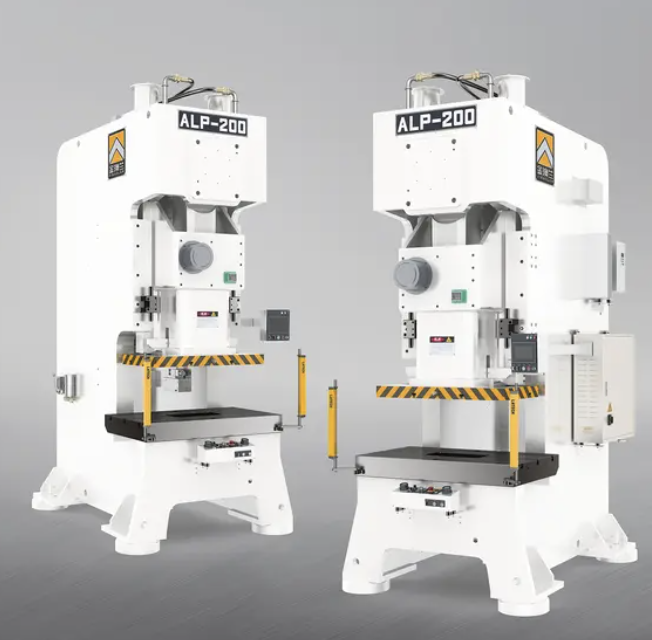
The frame is the backbone of any C frame power press. Most high-quality presses use steel alloys, like S355JR, or cast iron for the frame. These materials offer excellent strength and durability, essential for withstanding repeated heavy impacts. Steel frames provide toughness and flexibility, while cast iron frames excel at dampening vibrations, improving precision during operation.Since the frame has a "C" shape, it naturally leaves one side open for easy access. This design can cause stress concentration, so manufacturers reinforce frames using gussets, ribs, or cross-bracing. These reinforcements improve structural integrity without sacrificing accessibility. A well-built frame resists bending and twisting, which ensures consistent performance and precision.
Rigidity is key for a C frame press. The frame must resist deflection, or bending, when the ram applies force. Excessive deflection leads to uneven pressure distribution, causing poor part quality and faster wear on tooling and machine components. Minimal deflection means the press delivers uniform force across the workpiece, producing accurate, repeatable results.Manufacturers often measure deflection in millimeters under full load. A lower deflection value indicates a more rigid frame. For example, a deflection of less than 0.1 mm under maximum tonnage is desirable for precision tasks. Proper frame design and material selection help achieve this rigidity.
C frame presses are designed for easy access to the working area and internal components. The open "C" shape allows operators to load and unload materials quickly, speeding up production. Maintenance access is also crucial; the frame should provide enough space to inspect, lubricate, or replace parts without dismantling large sections.A smart design includes removable panels or doors, clear component layouts, and standardized fasteners. These features reduce downtime during repairs and routine maintenance. Machines that are easier to maintain encourage regular upkeep, extending machine life and reliability.
Build quality directly affects how long a C frame press lasts and how well it performs. High-quality materials and precise manufacturing ensure the press withstands heavy use without frequent breakdowns. Consistent build quality also means less vibration and noise, which improves operator comfort and safety.A robust frame reduces wear on moving parts like the ram, guides, and bearings, lowering maintenance costs. It also supports higher tonnage capacities and faster cycle speeds without compromising accuracy. Investing in a well-built press pays off by minimizing downtime and improving product quality over the machine's lifetime.
When selecting a C frame power press, ensuring it fits seamlessly into your workshop operations is key. Compatibility goes beyond size; it involves how well the press works with your space, tooling, automation, and maintenance setup.
Space is often limited in workshops. The C frame press’s compact "C" shape makes it easier to fit in tight areas compared to bulkier machines. Still, measure your available floor space carefully. Consider the press footprint plus room for operator movement, material loading, and maintenance access. Also, check ceiling height for taller models or overhead equipment.Think about workflow too. Position the press where raw material arrives and finished parts exit smoothly. Avoid bottlenecks by leaving enough clearance for conveyors or handling tools. A well-placed press boosts productivity and safety.
Your press must work with the tooling and dies needed for your tasks. Verify the bed size and ram opening match your largest dies. Some presses offer adjustable bolster plates or modular tooling systems, allowing quick die changes and greater versatility.Check if the press supports your tooling type—whether standard or custom. Compatibility reduces setup time and tooling wear. For example, hydraulic C frame presses often handle heavier dies, while mechanical presses suit lighter, faster operations.
Modern workshops benefit from automation. If your line uses feeders, conveyors, or robotic arms, your press should integrate smoothly. Look for models with compatible control systems and communication protocols.Automation features like programmable stroke lengths, adjustable speeds, and automatic die changers improve throughput and consistency. Some presses come with interfaces for PLCs or SCADA systems, enabling centralized control.Plan for future upgrades. Even if you start manual, a press ready for automation saves costly replacements later.
Minimizing downtime requires easy maintenance and ready spare parts. Choose presses designed for straightforward servicing. Features like removable panels, accessible lubrication points, and standardized components simplify upkeep.Check the manufacturer’s spare parts support. Widely available parts reduce wait times and repair costs. Also, consider local service centers or technical support availability.Good maintenance access and parts availability extend machine life and keep your workshop running smoothly.
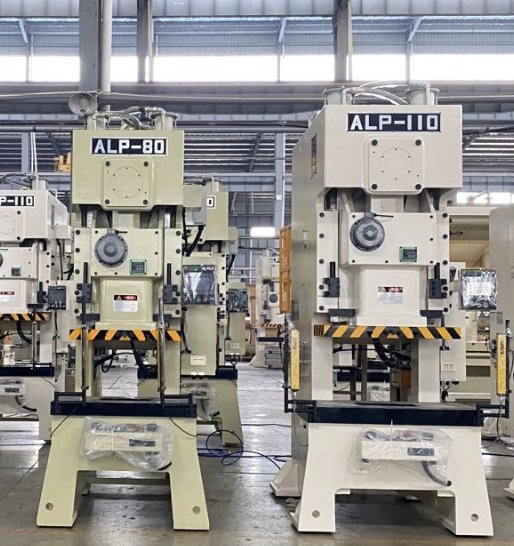
When investing in a C frame power press, understanding the full financial picture is crucial. The initial purchase price is just one part of the cost equation. You must also consider ongoing expenses, warranty coverage, after-sales support, and financing options to make a smart, sustainable choice.
The upfront cost varies widely depending on the press type, tonnage, automation level, and brand. Mechanical presses generally cost less than hydraulic models but may require more maintenance. Hydraulic presses come with a higher price tag but offer greater versatility and control.Beyond the purchase price, factor in:
Energy consumption: Hydraulic presses may use more power but deliver precise force, reducing scrap rates.
Maintenance and repairs: Mechanical presses have more moving parts needing regular upkeep. Hydraulic systems require fluid changes and seal replacements.
Downtime costs: Choose reliable models to minimize production halts.
Tooling and accessories: Dies, safety guards, and automation add to the total investment.
Calculating the total cost of ownership (TCO) helps you compare options fairly. A higher upfront cost might pay off through lower running expenses and longer service life.
A solid warranty offers protection against defects and early failures. Typical warranties cover parts and labor for 12 to 24 months but may vary by manufacturer.Pay attention to:
What’s included: Some warranties exclude wear parts like belts or seals.
Conditions: Proper maintenance and operation often required to keep warranty valid.
Extended warranties: Some suppliers offer longer coverage or service contracts for added peace of mind.
Reading warranty terms carefully lets you avoid surprises and ensures support if issues arise.
After-sales service can make or break your experience. Reliable technical support, quick spare parts delivery, and expert maintenance services keep your press running smoothly.Look for:
Local service centers to reduce repair times.
Training programs for operators and technicians.
Service agreements covering preventive maintenance and emergency repairs.
Strong after-sales support reduces downtime and extends machine life, boosting your ROI.
To ease cash flow, many manufacturers and dealers offer financing or leasing plans. These options let you acquire advanced presses without large upfront payments.Consider:
Loan terms: Interest rates, payment schedules, and total cost.
Leasing benefits: Lower monthly payments, easier upgrades.
Ownership: Leasing may not build equity in the machine.
Choose financing that fits your budget and growth plans.
A: Consider your material type, production volume, required tonnage, bed size, stroke length, and automation needs to select the best C Frame Power Press.
A: Mechanical C Frame Power Presses offer high speed and precision, ideal for high-volume repetitive tasks, though they require more maintenance.
A: Costs depend on press type, tonnage, automation features, brand, and maintenance needs. Mechanical presses are usually less expensive upfront than hydraulic models.
A: Regular lubrication, inspection, cleaning, and professional servicing ensure your C Frame Power Press runs safely and efficiently. Operator training is also essential.
Making an informed choice for your workshop starts with understanding key selection criteria. Balancing performance, safety, and budget ensures you get the right C frame power press. Choosing wisely maximizes your return on investment by improving productivity and durability. For next steps, consider procurement and smooth implementation tailored to your needs. Zhejiang Jinaolan Machine Tool Co., Ltd. offers reliable, high-quality presses designed to deliver precision and long-term value to your workshop.