
Views: 0 Author: Site Editor Publish Time: 2026-02-09 Origin: Site


Did you know that power presses are vital in manufacturing? These machines perform crucial tasks but come with significant risks. Every year, numerous injuries occur due to improper use. In this article, we’ll explore power press safety guidelines. You’ll learn about the importance of these machines and how to protect operators and equipment effectively.
Power press safety guidelines are essential protocols designed to protect operators and equipment during operations. These guidelines encompass a range of practices, including proper machine usage, regular maintenance, and operator training. By following these safety measures, companies can significantly reduce the risk of accidents and injuries associated with power presses.
Key Components of Power Press Safety Guidelines:
● Operator Training: All operators must undergo comprehensive training to understand the machine's functions and hazards.
● Regular Inspections: Routine checks ensure that all safety devices are functional, reducing the likelihood of malfunctions.
● Proper Use of Safety Devices: Utilizing guards, emergency stops, and two-hand controls is crucial for preventing injuries.
Adhering to power press safety guidelines is vital for several reasons. First, it protects operators from severe injuries, such as amputations or fractures. Studies have shown that a significant percentage of workplace injuries in manufacturing stem from improper use of machinery.
Statistics on Injuries Related to Power Press Operations:
Type of Injury | Percentage of Incidents |
Amputations | 30% |
Fractures | 25% |
Crush Injuries | 20% |
Other Injuries | 25% |
These numbers highlight the need for strict adherence to safety protocols. When companies implement and enforce these guidelines, they not only protect their workforce but also ensure the longevity and reliability of their equipment.
Ignoring safety guidelines can lead to serious consequences. Equipment malfunctions may occur, resulting in costly repairs and downtime. Moreover, companies may face legal repercussions if accidents happen due to negligence.
Consequences of Non-Compliance:
1. Increased Injury Rates: Higher likelihood of accidents.
2. Financial Losses: Costs related to medical expenses and repairs.
3. Legal Issues: Potential lawsuits and penalties.
By prioritizing power press safety guidelines, organizations create a safer work environment. This approach fosters a culture of safety, ultimately benefiting both operators and the equipment they use.
Operating a power press comes with inherent risks. Understanding these risks is crucial for maintaining safety. Injuries can vary widely, but certain types are more common in power press operations.
Mechanical Injuries: Mechanical injuries are among the most serious risks. These include:
● Amputations: Fingers, hands, or limbs can be caught in moving parts, leading to severe injuries.
● Fractures: Operators may suffer broken bones if they are struck by moving components or equipment.
Hazards at the Point of Operation: The point of operation is where the action occurs, and it is often the most dangerous area. Operators are at risk when inserting, securing, or removing materials. If safety devices fail or are misused, hands can easily get caught, leading to catastrophic injuries.
Equipment Malfunctions and Maintenance Issues: Regular maintenance is essential for safe operation. Neglecting equipment can lead to malfunctions, such as:
● Broken Safety Guards: If guards are damaged or removed, operators are exposed to moving parts.
● Faulty Controls: Malfunctioning controls can result in unexpected machine movements.
Other Potential Hazards: Several other risks exist in power press operations:
● Sharp Edges: Operators can sustain cuts when handling materials.
● Flying Debris: Metal fragments from processing can strike operators, causing injuries.
● Falling Objects: Heavy parts can fall during die changes, posing a risk of crushing injuries.
Type of Hazard | Potential Injury |
Mechanical Injury | Amputations, fractures |
Point of Operation | Caught hands, severe injuries |
Equipment Malfunctions | Unexpected movements |
Sharp Edges | Cuts and lacerations |
Flying Debris | Impact injuries |
Falling Objects | Crush injuries |
Improper use of power presses can lead to devastating consequences. When operators fail to follow safety protocols, the risks multiply significantly.
Consequences of Not Following Safety Protocols: Ignoring established guidelines can result in serious accidents. Some potential outcomes include:
● Increased Injury Rates: A lack of adherence to safety measures leads to higher injury statistics.
● Equipment Damage: Malfunctions can cause costly repairs and downtime.
Real-Life Examples of Accidents in Power Press Operations: Accidents serve as stark reminders of the importance of safety. For instance, there have been cases where operators suffered amputations due to bypassing safety guards. In another incident, a worker was struck by a falling die during a maintenance procedure, leading to severe injuries.
These examples highlight the critical need for strict compliance with safety guidelines. By understanding the common hazards and risks associated with power press operations, companies can better protect their workforce and equipment.
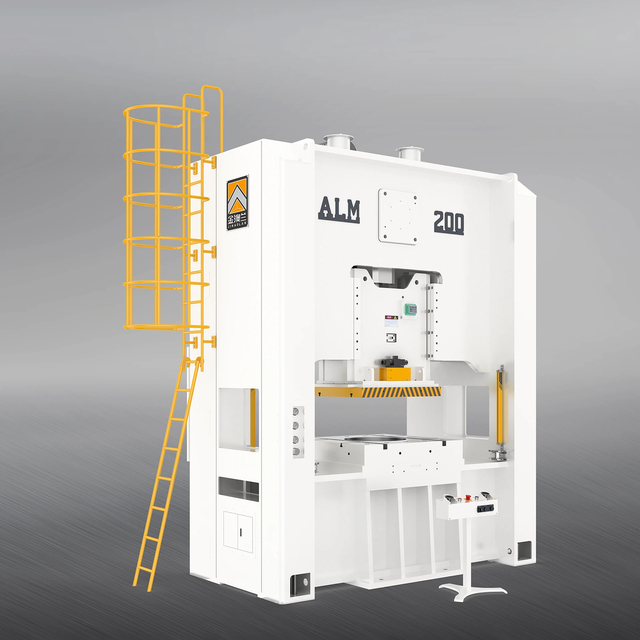
Safety devices are crucial for ensuring the safe operation of power presses. Installing the right safety features can significantly reduce the risk of accidents and injuries.
Overview of Two-Hand Operation Buttons and Their Function: Two-hand operation buttons are essential safety devices designed to prevent accidental activation of the machine. These buttons require both hands to be engaged simultaneously, ensuring that the operator's hands are positioned safely away from the point of operation during pressing cycles. This design minimizes the risk of injuries caused by unexpected machine movements.
Importance of Photoelectric Safety Devices: Photoelectric safety devices use light beams to create a protective barrier around the machine. If an object or person interrupts the beam, the machine automatically stops, preventing potential accidents. These devices are particularly effective in high-speed operations, where quick response times are essential for operator safety.
Role of Second Drop Prevention Devices: Second drop prevention devices are critical in preventing unintended descents of the press. These devices ensure that if the primary control fails, the press will not drop unexpectedly. This added layer of safety is vital for protecting operators from crush injuries.
Guard Devices and Their Role in Preventing Access to Moving Parts: Guard devices play a key role in maintaining safety around power presses. These physical barriers prevent operators from accessing moving parts during operation. Guards can be fixed or adjustable, providing flexibility while ensuring that safety is never compromised.
Safety Device | Function |
Two-Hand Operation Buttons | Prevents accidental activation |
Photoelectric Safety Devices | Stops machine if light beam is interrupted |
Second Drop Prevention Devices | Prevents unintended descents of the press |
Guard Devices | Blocks access to moving parts |
Safety guards are designed to protect operators by creating a barrier between them and the dangerous moving parts of the power press. Understanding how these guards function is essential for maximizing their effectiveness.
Explanation of Guard Devices and Their Importance: Guard devices are typically made of durable materials like metal or heavy plastic. They are strategically placed to shield operators from hazards while allowing for safe operation. Properly installed guards ensure that operators cannot reach into the danger zone during the machine's operation, significantly reducing the risk of injury.
Optional Auxiliary Devices That Enhance Safety: In addition to primary safety devices, optional auxiliary devices can further enhance safety. These include:
● Operation Power Switch: This device allows for quick shutdown of the machine in emergencies.
● Internal Circuit Breaker: This safety feature protects against electrical overloads, ensuring that the machine operates safely under varying conditions.
Auxiliary Device | Purpose |
Operation Power Switch | Enables quick machine shutdown |
Internal Circuit Breaker | Protects against electrical overloads |
By integrating these essential safety devices into power press operations, companies can create a safer working environment. Each device contributes to a comprehensive safety strategy, ensuring that operators can perform their tasks with confidence and security.
Operating a power press requires strict adherence to safety rules to protect both operators and equipment. Here are some fundamental guidelines that everyone should follow.
Guidelines for Machine Modifications and Usage: Any modifications to the power press must be approved by a qualified technician. Unauthorized changes can lead to unsafe conditions. Always ensure that the machine is used as intended, following the manufacturer’s specifications. This includes using the correct dies and tools designed for the specific operation.
Importance of Personal Protective Equipment (PPE): Wearing appropriate personal protective equipment is essential. Operators should always don safety goggles, gloves, and hearing protection. These items shield against potential hazards such as flying debris, sharp edges, and loud noises. Regularly inspect PPE for wear and tear to ensure maximum protection.
Procedures for Safe Operation and Maintenance: Before starting the machine, operators should conduct a thorough inspection. This includes checking safety devices, ensuring guards are in place, and verifying that controls function correctly. Following established operating procedures helps maintain a safe environment. Regular maintenance checks should also be scheduled to keep the machine in good working order.
Emphasizing the Need for Immediate Cessation of Operations Upon Detecting Any Abnormal Condition: It's crucial for operators to be vigilant. If any abnormal condition arises, such as unusual noises or erratic movements, operations must stop immediately. Reporting these issues to a supervisor ensures that problems are addressed promptly, preventing potential accidents.
Operators must be aware of common mistakes that can lead to dangerous situations. Avoiding these unsafe practices is key to maintaining a safe work environment.
Common Mistakes and Unsafe Practices to Avoid During Operation: Operators should never bypass safety features, such as emergency stops or safety guards. These devices are in place for a reason, and disabling them increases the risk of injury. Additionally, operators should refrain from engaging in multitasking during operation, as distractions can lead to accidents.
The Importance of Not Wearing Loose Clothing or Accessories: Loose clothing or dangling accessories can become entangled in moving parts of the machine. Operators should wear fitted clothing and secure long hair to prevent it from getting caught. This simple practice can significantly reduce the risk of severe injuries.
Unsafe Practice | Consequences |
Bypassing Safety Features | Increased risk of accidents |
Multitasking During Operation | Higher likelihood of distraction-related injuries |
Wearing Loose Clothing | Risk of entanglement in moving parts |
By adhering to these fundamental safety rules, operators can significantly enhance their safety and that of their colleagues. Each guideline contributes to a safer environment, ensuring that power presses are operated effectively and securely.
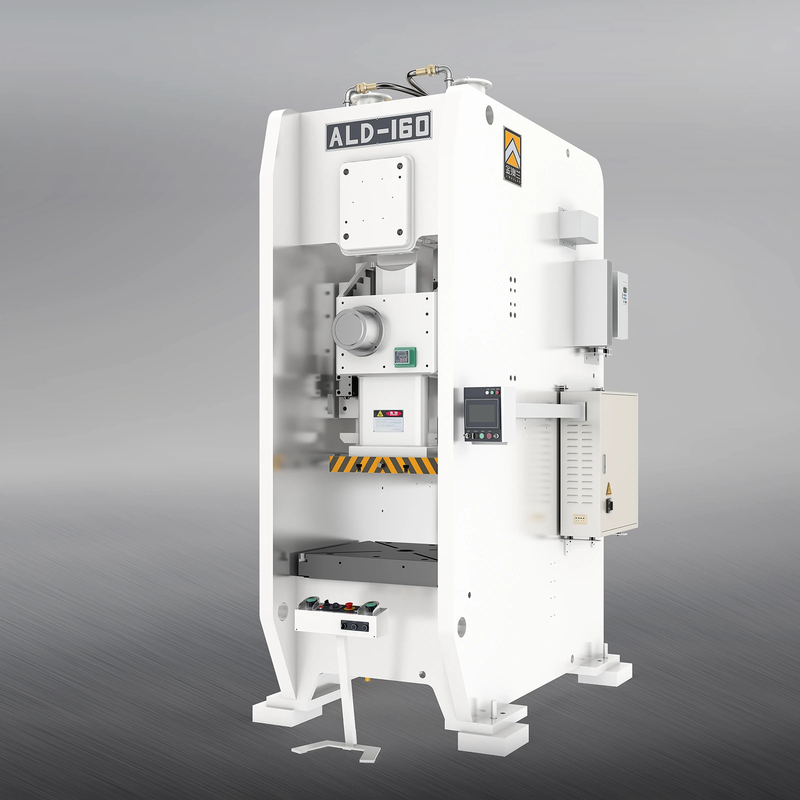
Proper installation of power presses is crucial for ensuring safety and functionality. Adhering to guidelines during transport, lifting, and installation can prevent accidents and equipment damage.
Guidelines for Safe Transport, Lifting, and Installation: When transporting power presses, it’s essential to use appropriate lifting equipment, such as cranes or forklifts, designed for heavy loads. Operators should ensure that the load is balanced and secured to prevent shifting during movement. During installation, follow the manufacturer's instructions closely. The press should be placed on a stable, level surface to minimize the risk of tipping or shifting during operation.
Importance of Proper Electrical Connections: Electrical connections are a vital aspect of safe power press installation. All connections must comply with local electrical codes and standards. It’s crucial to verify that the wiring is correctly installed and that all grounding requirements are met. This helps prevent electrical hazards, such as short circuits and electrical shocks.
Installation Aspect | Safety Consideration |
Transport | Use balanced lifting equipment |
Lifting | Secure loads to prevent shifting |
Installation | Follow manufacturer’s guidelines |
Electrical Connections | Ensure compliance with electrical codes |
Maintenance is essential for keeping power presses in safe working condition. Following proper procedures can help prevent accidents and ensure equipment longevity.
Lockout/Tagout Procedures: Before performing any maintenance, it’s critical to implement lockout/tagout (LOTO) procedures. This involves shutting down the machine and securing it against accidental startup. Operators should use locks and tags to indicate that maintenance is in progress, preventing unauthorized access. This practice is vital for protecting maintenance personnel from unexpected machine movements.
Importance of Regular Inspections and Timely Repairs: Regular inspections are key to identifying potential issues before they escalate. Maintenance personnel should conduct thorough checks of the power press, focusing on critical components such as safety devices, electrical connections, and mechanical parts. If any problems are detected, timely repairs should be made to ensure the machine operates safely.
Ensuring Guards Are in Place Before Conducting Tests on the Press: Before testing the press after maintenance, operators must ensure that all safety guards are correctly installed. These guards protect operators from moving parts and should never be removed during testing. Verifying their presence is a simple yet effective way to enhance safety.
Maintenance Procedure | Safety Measure |
Lockout/Tagout | Prevents accidental machine startup |
Regular Inspections | Identifies potential issues early |
Timely Repairs | Ensures safe operation |
Guard Verification | Confirms protection during testing |
By following these safety procedures during the installation and maintenance of power presses, companies can create a safer working environment. Each step is crucial for protecting operators and ensuring the equipment functions effectively.
In the event of an emergency, operators must act quickly and efficiently to minimize harm. Understanding the correct procedures can save lives and prevent further injury.
Emergency Stop Procedures: Every power press should have clearly defined emergency stop procedures. Operators need to know how to quickly shut down the machine in case of an emergency. This usually involves pressing a designated emergency stop button that halts all operations immediately. Operators should practice these procedures regularly to ensure they can respond instinctively during a crisis.
First Aid Measures for Common Injuries: Injuries can occur even in the safest environments. Operators should be trained in basic first aid measures for common injuries associated with power press operations. For instance:
● Cuts and Lacerations: Clean the wound with water, apply antiseptic, and cover it with a sterile bandage.
● Burns: Cool the burn under running water for at least 10 minutes and cover it with a clean, non-stick dressing.
● Sprains or Strains: Apply ice to reduce swelling and immobilize the affected area.
Type of Injury | First Aid Response |
Cuts and Lacerations | Clean, antiseptic, and bandage |
Burns | Cool under water and cover |
Sprains or Strains | Ice application and immobilization |
Preparation is key to effectively managing emergencies in the workplace. Companies should take proactive steps to ensure the safety of their employees.
Importance of Having a First Aid Kit and Trained Personnel: Every workplace should be equipped with a well-stocked first aid kit. This kit should include essential supplies like bandages, antiseptics, and gloves. Additionally, having trained personnel on-site is crucial. Designating employees who are certified in first aid and CPR ensures that help is available immediately in case of an emergency.
Developing Emergency Response Plans: Companies should develop comprehensive emergency response plans tailored to their specific operations. These plans should outline procedures for various scenarios, including equipment malfunctions, injuries, and evacuations. Regular drills should be conducted to familiarize all employees with the plan, ensuring everyone knows their roles and responsibilities during an emergency.
Preparation Aspect | Key Actions |
First Aid Kit | Ensure it is stocked and accessible |
Trained Personnel | Designate and train staff in first aid |
Emergency Response Plans | Develop and practice regularly |
By implementing these emergency response strategies, companies can create a safer working environment. Preparedness and training are essential for protecting operators and ensuring a swift response to any incidents that may arise.
Power press safety guidelines are essential for protecting operators and equipment. This article discussed the importance of safety devices, emergency procedures, and proper installation. Prioritizing safety measures, like regular inspections and training, can prevent accidents. Companies like KingLan offer valuable products that enhance workplace safety. Their innovative solutions ensure efficient operations while safeguarding employees. Investing in safety not only protects workers but also improves overall productivity in power press operations.
A: Power Press safety guidelines are essential protocols designed to protect operators and equipment during operations. They include proper installation, emergency procedures, and the use of safety devices.
A: To operate a Power Press safely, follow the manufacturer’s instructions, use personal protective equipment, and adhere to emergency stop procedures.
A: Personal protective equipment (PPE) is crucial for preventing injuries from potential hazards associated with Power Press operations.
A: Immediately engage the emergency stop, report the issue, and follow lockout/tagout procedures to ensure safety before inspecting the Power Press.
A: Companies can ensure Power Press safety by providing training, maintaining equipment regularly, and having emergency response plans in place.