
Views: 0 Author: Site Editor Publish Time: 2026-02-02 Origin: Site


Have you ever wondered how car parts are precisely shaped and formed? Power press machines are essential in automotive manufacturing. They play a crucial role in producing everything from body panels to intricate components. In this post, we’ll explore the significance of power presses in the automotive industry. You’ll learn about their applications, advantages, and the impact they have on production efficiency.
A power press is a machine designed to shape, cut, or form materials, primarily metals. It operates by applying controlled force through various mechanisms, making it essential in manufacturing processes. Power presses are widely used in industries such as automotive, aerospace, and metal fabrication.
There are three main types of power presses:
1. Hydraulic Presses: These use pressurized fluid to generate force. They excel in applications requiring high tonnage and precision, making them ideal for complex shapes and heavy materials.
2. Pneumatic Presses: Utilizing compressed air, pneumatic presses operate at lower pressures. They are faster and simpler, often used for lighter tasks like assembly and stamping.
3. Mechanical Presses: Relying on a motor-driven flywheel, mechanical presses deliver rapid and consistent force. They are perfect for high-volume production where speed is essential.
Type of Power Press |
Force Generation |
Applications |
Hydraulic |
Fluid pressure |
Heavy metal forming, deep drawing |
Pneumatic |
Compressed air |
Light stamping, assembly |
Mechanical |
Mechanical linkage |
High-speed mass production |
Power presses consist of several critical components:
● Ram: The moving part that exerts force on the material.
● Bed: The stationary part where the workpiece is placed.
● Die: The tool that shapes the material, attached to the ram or bed.
● Drive Mechanism: This can be hydraulic, pneumatic, or mechanical, determining how force is applied.
Power presses function by converting energy into mechanical force to perform various operations. The operating principles differ based on the type of press used.
1. Hydraulic Systems: These systems utilize Pascal's law, which states that pressure applied to a confined fluid is transmitted equally in all directions. When the hydraulic fluid is pressurized, it moves the ram downwards, applying force to the workpiece.
2. Pneumatic Systems: In pneumatic presses, compressed air drives a piston that moves the ram. The air pressure can be easily adjusted, allowing for quick cycles and flexibility in force application.
3. Mechanical Systems: Mechanical presses use a flywheel to store kinetic energy. When the flywheel turns, it engages a crank mechanism that drives the ram. This design allows for rapid, repeated strokes, making it suitable for mass production.
Pressure and force are crucial in shaping materials with power presses. The amount of force applied determines the effectiveness of the pressing operation. For example, hydraulic presses can apply immense force, making them suitable for thick or hard materials. Conversely, pneumatic presses are better for lighter materials where speed is more critical than force.
In summary, understanding the different types of power presses and their operating principles is vital for selecting the right machine for specific manufacturing needs. Each type offers unique advantages, making them indispensable in various applications.
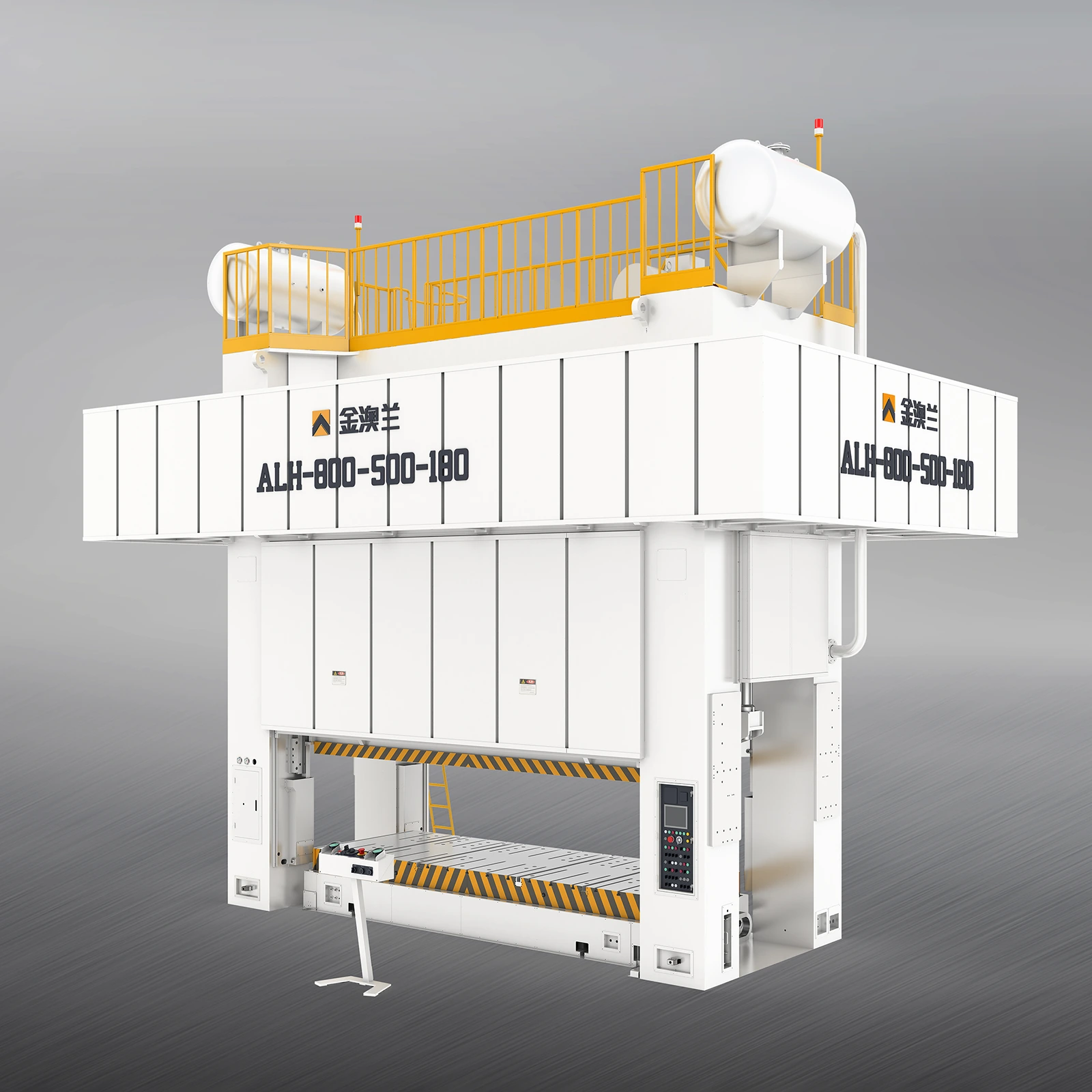
The automotive manufacturing process is a complex series of steps that transform raw materials into finished vehicles. It involves multiple stages, including design, assembly, and quality control. Power presses play a vital role in this process by providing the necessary force to shape and form metal components efficiently.
Power presses fit seamlessly into the production line, often positioned between stamping and assembly stations. They help streamline operations by ensuring that parts are shaped accurately and consistently. This integration enhances productivity and reduces the time needed for each manufacturing cycle.
Using power presses in automotive manufacturing offers several benefits. Firstly, they significantly increase speed by allowing rapid production of components. Secondly, their precision ensures that parts meet strict quality standards, which is crucial for vehicle safety. Lastly, power presses enhance overall efficiency, reducing material waste and lowering production costs.
Stamping is one of the primary applications of power presses in the automotive sector. This process involves using a die to cut or shape sheet metal into desired forms. Power presses can produce various parts, such as body panels, brackets, and structural components.
Type of Part |
Description |
Body Panels |
Outer surfaces of the vehicle, providing structure and aesthetics. |
Brackets |
Support components that hold various parts together. |
Chassis Components |
Structural elements that support the vehicle's weight. |
Punching is another critical application where power presses create holes and shapes in metal sheets. This process is essential for producing components like mounting holes and ventilation openings. For instance, punched components include brackets that secure other parts and panels with holes for wiring or fasteners.
Power presses also assist in assembly tasks by joining different components together. They ensure that parts fit correctly, which is vital for vehicle safety. Precision in assembly operations is crucial; even minor misalignments can lead to performance issues or safety hazards. Power presses help maintain this precision, ensuring that each part is securely attached.
Deep drawing is a specialized process where a flat metal sheet is transformed into a hollow shape, such as a fuel tank or a car door. Power presses apply significant force to achieve this intricate shaping. Similarly, forging uses power presses to create strong, durable components by shaping heated metal under high pressure. This process is essential for producing parts that require high strength, such as engine components and suspension parts.
In conclusion, power presses are indispensable in automotive manufacturing. They not only enhance the efficiency of production but also ensure the quality and safety of the vehicle components. Their diverse applications, from stamping and punching to assembly and forging, highlight their versatility and importance in the industry.
Power presses are renowned for their ability to provide precise force application, which is crucial in automotive manufacturing. This precision ensures that each component is shaped accurately, meeting stringent quality standards. For example, when producing body panels, even a slight deviation can affect the fit and finish of the vehicle.
Moreover, power presses excel in performing intricate, multi-stage forming processes. They can create complex shapes and designs that are often required in modern automotive components. This capability allows manufacturers to produce parts that not only meet functional requirements but also aesthetic standards.
● Accurate Force Application: Ensures consistent results across batches.
● Multi-stage Processes: Enables production of complex parts in a single cycle.
● Quality Assurance: Reduces the risk of defects and rework.
When it comes to production efficiency, power presses significantly outperform many other manufacturing methods. For instance, the cycle times for power presses can be shorter compared to traditional machining processes. This efficiency translates into higher output rates, allowing manufacturers to meet market demands effectively.
The impact of efficiency extends to overall production costs. By reducing cycle times and minimizing material waste, power presses help lower manufacturing expenses. Hydraulic presses, while often slower, provide controlled operations for delicate tasks, ensuring that quality is not compromised for speed. This balance is essential in producing high-quality automotive components.
Manufacturing Method |
Cycle Time |
Cost Impact |
Power Press |
Short |
Lower overall costs |
Traditional Machining |
Longer |
Higher due to waste |
Hydraulic Press |
Moderate |
Controlled quality |
One of the standout advantages of power presses is their versatility. These machines can adapt to various automotive parts, from lightweight components to heavy-duty structural elements. This adaptability makes them invaluable across different stages of the manufacturing process.
For instance, power presses are used for stamping body panels, punching holes in brackets, and even forging critical engine components. Their ability to handle both light and heavy tasks means manufacturers can rely on a single machine type for multiple applications, simplifying operations and reducing equipment costs.
● Body Panels: Stamped into shape for aesthetic and structural purposes.
● Brackets: Punched for precise hole placements in assembly.
● Engine Components: Forged for strength and durability.
In summary, the advantages of using power presses in automotive manufacturing are clear. Enhanced precision and control, increased production efficiency, and versatility in applications make them essential tools in the industry. Their ability to consistently produce high-quality components helps manufacturers maintain a competitive edge.
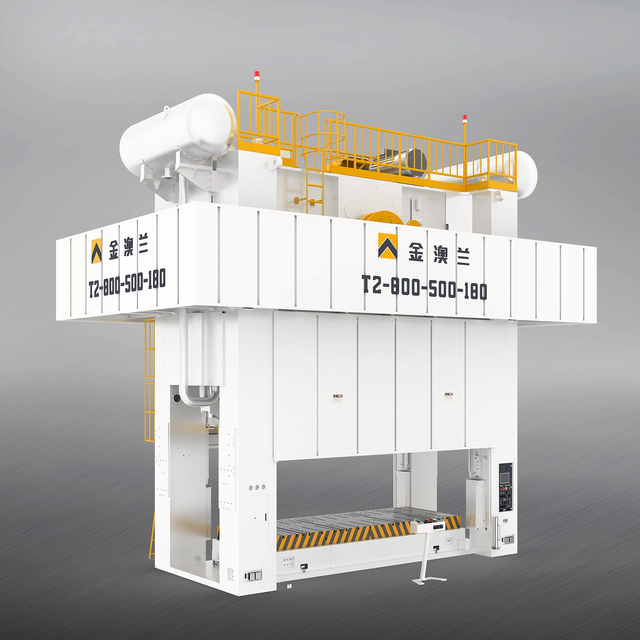
The rise of automation is transforming manufacturing processes across industries, including automotive. Power presses are becoming increasingly integrated into automated systems, allowing for faster and more efficient production. This shift not only enhances productivity but also reduces the potential for human error.
Smart technology is being incorporated into power presses, enabling real-time monitoring and data analysis. These advancements allow manufacturers to track performance metrics, predict maintenance needs, and optimize operations. For example, sensors can detect variations in pressure or force, ensuring consistent quality in production.
● Enhanced Efficiency: Automation reduces cycle times and increases output.
● Data-Driven Decisions: Real-time analytics help in making informed operational choices.
● Predictive Maintenance: Early detection of issues minimizes downtime.
Sustainability is becoming a key focus in manufacturing, and power press technology is no exception. Trends are emerging towards eco-friendly power press machines that minimize environmental impact. Manufacturers are increasingly seeking equipment that aligns with green practices, leading to innovations in design and operation.
Energy-saving technologies are also making a significant impact on the automotive industry. For instance, variable displacement pumps and servo-controlled hydraulics are being adopted to improve energy efficiency. These systems adjust power consumption based on actual demand, reducing waste and lowering operational costs.
Technology |
Benefits |
Variable Displacement Pumps |
Adjusts flow based on need, saving energy. |
Servo-Controlled Hydraulics |
Provides precise control, enhancing efficiency. |
Eco-Friendly Designs |
Reduces carbon footprint and waste. |
● Cost Reduction: Lower energy bills contribute to overall savings.
● Environmental Impact: Reduced energy consumption leads to a smaller carbon footprint.
● Operational Efficiency: Improved performance metrics enhance productivity.
As automotive manufacturing continues to evolve, the integration of automation and a focus on sustainability will shape the future of power press technology. These trends not only enhance operational capabilities but also align with global efforts towards environmentally responsible manufacturing practices.
Power press machines are crucial in automotive manufacturing. They enhance precision and efficiency in production processes. Manufacturers should seriously consider integrating power presses into their operations. As technology advances, power presses will continue to evolve, offering even greater benefits. Companies like KingLan provide innovative solutions that enhance productivity and sustainability. Their products offer unique features that deliver exceptional value to the automotive industry.
A: A Power Press is used to shape and form metal components, ensuring precision and efficiency in producing automotive parts.
A: Power Press machines significantly reduce cycle times, allowing for faster production and lower overall manufacturing costs.
A: They provide accurate force application, enabling the creation of complex parts essential for vehicle safety and performance.
A: Power Presses enhance precision, increase production efficiency, and offer versatility for various automotive applications.
A: Regular maintenance includes checking hydraulic fluid levels, inspecting components for wear, and ensuring proper calibration for optimal performance.