


Introduction
In modern metal stamping and forming, tooling determines how efficiently and accurately materials are shaped into finished components. Among the various die types, the Single Stage Die stands out for its simplicity and reliability. It performs one complete stamping or forming operation per press stroke, making it a fundamental tool for efficient production. Unlike progressive or compound dies, which handle multiple forming actions in one cycle, a Single Stage Die focuses on one precise task—such as blanking, piercing, or bending. This design offers consistent quality, reduced setup time, and easier maintenance, making it an ideal choice for both high-volume and moderate-production environments. This article explores what a Single Stage Die is, how it works, its structural components, main benefits, and the industries that rely on it. It also provides practical insights on selecting, installing, and maintaining the die to ensure long-term efficiency.
Key Features
High Repeatability
Because it performs one precise operation per stroke, the Single Stage Die ensures excellent dimensional accuracy and consistency in every cycle. This repeatability minimizes part defects and material waste.
Simplified Tooling
Its simple structure means fewer components and lower chances of misalignment. Tool setup, inspection, and changeovers are quicker, allowing for more uptime in production.
Cost Efficiency
The Single Stage Die provides a cost-effective solution for operations that only require one forming or cutting process. It reduces initial tooling investment and long-term maintenance expenses.
Fast Cycle Times
With only one movement per stroke, the die can operate at higher press speeds. This increases throughput without sacrificing precision.
Working Principle
The Single Stage Die operates through a simple stroke cycle. When the press activates, the punch descends into the die cavity to perform the designated operation—either forming, cutting, or blanking. After completion, the punch retracts, and the finished part is released or ejected.

Operation Flow
Material is fed into position. The press drives the punch into the cavity. The material is formed or cut. The punch retracts, and the finished part is removed.
Key Parameters
Several parameters influence performance: Die clearance – impacts cutting edge quality and burr formation. Guide pillar alignment – ensures vertical precision and prevents uneven wear. Stop pin placement – limits press depth for consistent thickness. Material feeding accuracy – affects positioning and dimensional control.


Integration with Press
The die must match the press tonnage, slide stroke, and speed. Proper matching prevents overload, ensures smooth operation, and improves part quality.
Application Scenarios
Automotive Sheet-Metal Stamping
Single Stage Dies are widely used for forming brackets, clips, and small panels. They allow consistent, high-speed production and reliable accuracy for essential vehicle components.
Appliance and Hardware Manufacturing
These dies efficiently produce brackets, enclosures, and trim pieces, performing one quick operation per press stroke. This helps lower energy consumption and increases production stability.
High-Volume Plate Work
For flat parts such as nameplates or simple tags, Single Stage Dies maximize output while minimizing setup time and tooling cost.
Educational or Prototyping Lines
In research, teaching, or pilot production, their ease of setup and simplicity allow quick learning, testing, and changeovers without the need for advanced automation.
- Name
- Update
- Size
- Downloads
- Thumbnail
- Download
- Copy Link
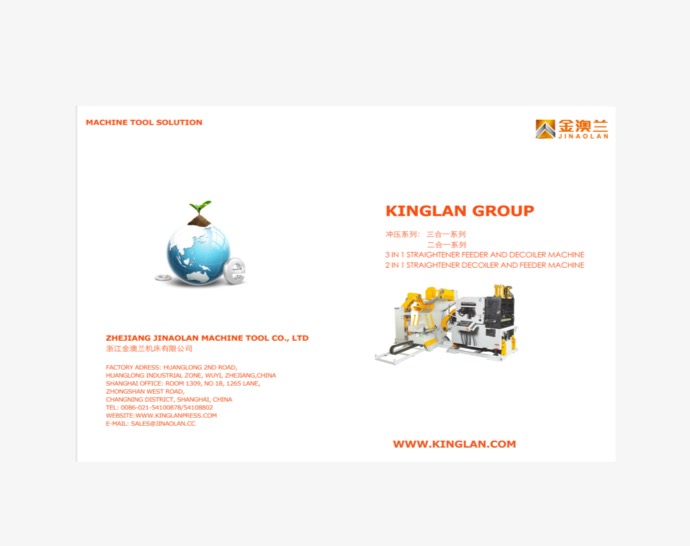
- Kinglan feeder machine 2023.pdf
- 2024-02-22
- 34.47MB
- 344
-
- Download
- Copy Link
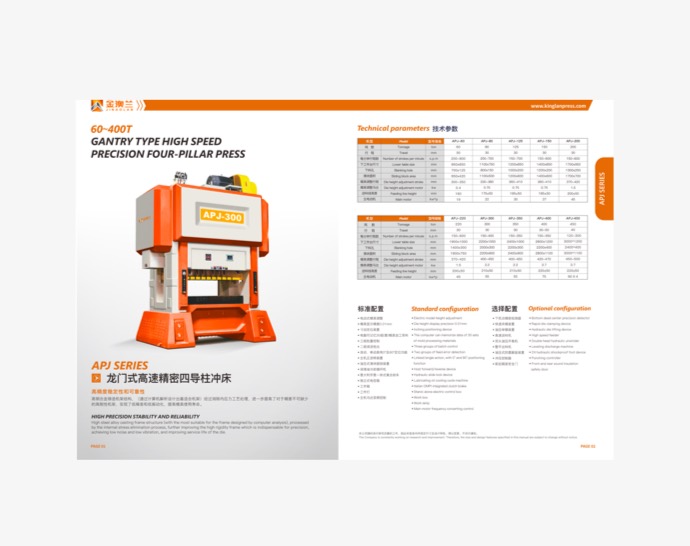
- High-Speed power press.pdf
- 2024-02-22
- 7.34MB
- 326
-
- Download
- Copy Link
- Kinglanpress Product Catalog.pdf
- 2024-02-22
- 11.86MB
- 109
-
- Download
- Copy Link
- Servo Press.pdf
- 2024-02-22
- 21.29MB
- 110
-
- Download
- Copy Link
Company Advantage(Why choose us)
We have been operating since 1983, supported by advanced manufacturing facilities and a comprehensive production system ranging from 25 to 2400 tons. Our long-term expertise enables us to deliver reliable, high-performance press machines that meet global standards.
Deep industry experience and strong infrastructure
We design and build our machines to the highest standards, including JIS B6402 Class 1 precision. With rigid frames, accurate transmission systems, and flexible configuration options, we provide tailored solutions that match each customer’s unique production needs.
High precision engineering and customizable solutions
We offer complete support from installation and commissioning to maintenance and spare parts supply. With extensive export experience and a strong global service network, we ensure our clients receive timely assistance and lasting value from every Kinglan Press product.
Comprehensive after-sales service and global support


FAQs
Contact Us
We are a leading manufacturer in the metal forming industry, specializing in the research, development, and sales of coil processing and stamping automation equipment.
Related Blogs
-
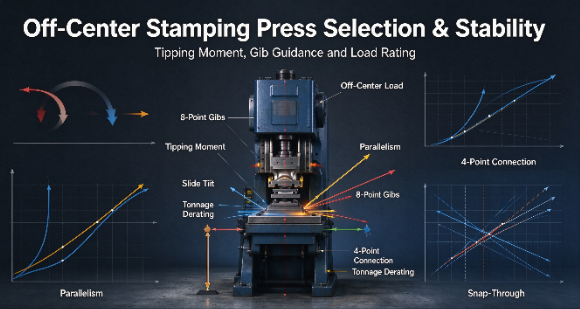 Need a press for off-center load conditions? Master frame rigidity, connection points, and tonnage derating to prevent catastrophic press failure.
 -
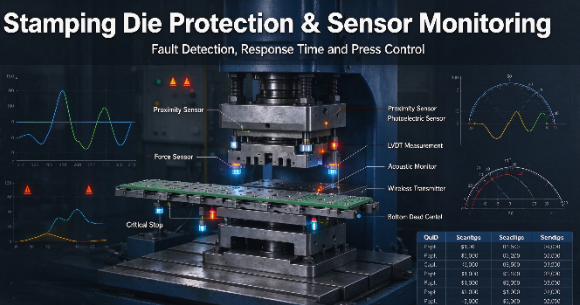 Prevent catastrophic die smashes and costly downtime. Learn how to choose and integrate die protection sensors for high-speed stamping.
 -
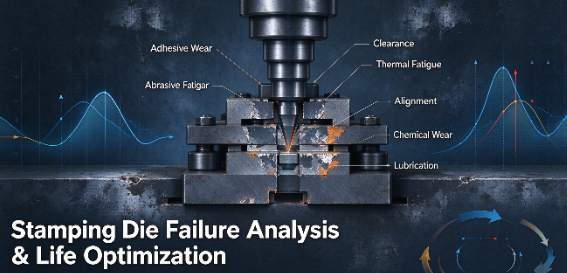 Stop costly downtime from premature stamping die wear. Discover root causes, advanced tooling upgrades, and predictive maintenance strategies.
Keep in Touch With Us
If you have any questions or requirements regarding solutions, please feel free to contact our customer service team.Our professional team will provide you with detailed product information, answer your questions, and tailor the best solution to meet your needs.
Mob:+86-15857957798
E-mail:sales@kinglanpress.com