
Views: 0 Author: Site Editor Publish Time: 2026-01-28 Origin: Site


Have you ever wondered how metal parts are shaped with such speed and precision? Behind many factories, a Power Press quietly drives modern manufacturing. A Power Press machine applies controlled force to cut, shape, or form materials. It plays a critical role in metal forming, stamping, and large-scale industrial production. In this article, you’ll learn about mechanical, hydraulic, and pneumatic Power Press machines. We’ll explain how each type works and where it performs best.
A power press is a machine designed to shape or cut materials through the application of force. It operates by using a mechanical, hydraulic, or pneumatic system to apply pressure to a workpiece, allowing for precise manipulation.
Key Functions of a Power Press:
● Shaping: Forming materials into specific shapes.
● Cutting: Shearing materials to create desired dimensions.
● Assembly: Joining multiple components together.
● Forming: Molding materials into intricate designs.
Understanding the basic components of a power press helps in grasping how it functions. Here are the essential parts:
Component | Description |
Frame | The structure that supports all other components. |
Ram | The moving part that exerts force on the workpiece. |
Die | The tool used to shape or cut the material. |
Power Source | Mechanical, hydraulic, or pneumatic systems providing energy. |
Control System | Mechanisms to operate and adjust the press settings. |
These components work together to ensure the power press operates efficiently and effectively.
Power presses are utilized across multiple sectors due to their versatility. Here are some common applications:
● Automotive Industry: Used for stamping body panels and forming components.
● Aerospace: Essential for manufacturing complex parts with high precision.
● Electronics: Employed in assembling small parts and components.
● Packaging: Useful for creating packaging materials and containers.
Power presses perform various operations, each suited for different tasks:
1. Cutting: This involves shearing materials to achieve specific sizes. For example, metal sheets are cut into smaller pieces for further processing.
2. Shaping: This operation molds materials into desired forms. It’s widely used in creating parts for machinery and appliances.
3. Forming: This refers to bending or stretching materials to create complex shapes. Industries like automotive rely on forming for producing intricate components.
4. Assembly Processes: Power presses can also join parts together, making them essential in manufacturing processes where multiple components need to be combined.
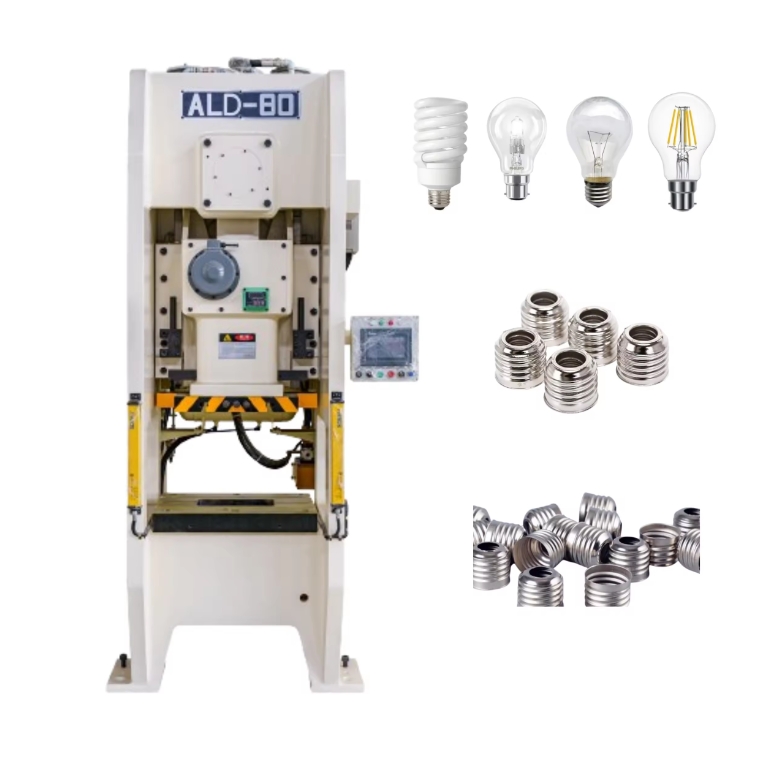
Mechanical power presses are widely recognized in the manufacturing industry for their efficiency and reliability. These machines utilize mechanical energy to perform various operations, making them a popular choice for high-volume production tasks.
How Mechanical Presses Work:
Mechanical presses function by converting rotational motion into linear motion. This transformation is achieved through a series of mechanical components that work together to apply force to the material being processed.
Key Mechanisms Involved:
● Flywheel: The flywheel stores kinetic energy generated by the motor. As it spins, it provides the necessary momentum to the ram during operation.
● Crank Mechanism: This is the heart of the mechanical press. The crank converts the rotational motion of the flywheel into the vertical movement of the ram, delivering force to the workpiece.
● Connecting Rod: This component connects the crank to the ram, allowing for smooth and efficient movement.
This combination of mechanisms enables mechanical presses to operate quickly and effectively, making them ideal for repetitive tasks.
Mechanical presses are known for several performance characteristics that set them apart from other types of presses.
● Speed and Force Output:
Mechanical presses can achieve high speeds, often reaching up to 600 strokes per minute. This rapid cycling is essential for mass production, allowing manufacturers to increase output significantly. The force output typically ranges from 10 to 200 tons, depending on the design and application.
● Precision and Repeatability:
These presses offer excellent precision, ensuring that each stroke delivers consistent results. The fixed stroke length and force profiles contribute to their ability to produce uniform parts, which is crucial in industries requiring high accuracy.
Mechanical presses come with several advantages that make them a preferred choice in many manufacturing scenarios.
● High-Speed Operation:
Their ability to operate at high speeds allows for efficient production, reducing cycle times and increasing overall output.
● Cost-Effectiveness for Mass Production:
Mechanical presses are particularly economical for mass production. The combination of speed and durability lowers the cost per unit, making them ideal for large-scale manufacturing.
● Durability and Reliability:
Built to last, mechanical presses require minimal maintenance compared to other types. Their robust design ensures consistent performance over time, reducing downtime and repair costs.
Despite their many benefits, mechanical presses do have some limitations.
● Fixed Force Profiles:
Mechanical presses deliver a consistent force, which can be a disadvantage for applications requiring variable pressure. This fixed profile limits their adaptability in certain situations.
● Less Adaptability for Complex Tasks:
While they excel in high-volume production, mechanical presses may struggle with more intricate tasks that require flexibility in force application.
● Maintenance Needs:
Regular maintenance is essential to keep mechanical components in good working order. This includes lubrication and periodic checks to ensure everything is functioning correctly.
Mechanical power presses are best suited for specific industries and tasks where their strengths can be fully utilized.
● Industries Best Suited for Mechanical Presses:
They are commonly used in the automotive sector for stamping body panels and forming components. Appliance manufacturing also relies heavily on mechanical presses for producing uniform parts.
● Suitable for High-Volume, Uniform Production Tasks:
Mechanical presses shine in applications where speed and consistency are critical. They are ideal for tasks such as metal stamping, forming, and assembly, where large quantities of identical parts need to be produced efficiently.In essence, mechanical power presses are vital tools in modern manufacturing, offering speed, reliability, and cost-effectiveness for a variety of applications.
Hydraulic power presses are essential tools in many manufacturing processes. They utilize fluid pressure to generate force, making them particularly effective for various applications.
Understanding Hydraulic Systems:
Hydraulic presses operate based on Pascal’s principle, which states that pressure applied to a confined fluid is transmitted undiminished in all directions. This principle allows hydraulic systems to amplify force efficiently.
Key Components Involved:
1. Pump: This component generates hydraulic pressure by moving fluid from a reservoir.
2. Cylinders: They convert hydraulic pressure into mechanical force, pushing the ram downwards.
3. Fluid: Hydraulic fluid transmits power throughout the system, providing lubrication and cooling.
This combination of components allows hydraulic presses to exert significant force with precision.
Hydraulic presses are known for their exceptional performance in specific areas.
Force Control and Precision:
These presses offer precise control over force application, making them suitable for tasks that require varying pressure levels. Operators can adjust the force to accommodate different materials or shapes.
Cycle Speed Compared to Other Types:
While hydraulic presses may not cycle as quickly as mechanical presses, their ability to apply force gradually allows for better control. This slower speed can be advantageous for delicate operations where precision is crucial.
Performance Metric | Hydraulic Press |
Maximum Force Output | Up to 1,000 tons |
Typical Cycle Speed | 10-30 strokes/min |
Precision Level | Very High |
Hydraulic presses come with several distinct advantages that make them valuable in manufacturing.
Ability to Handle Complex Shapes and Materials:
● They excel in forming intricate designs and can work with various materials, including metals, plastics, and composites. This versatility is essential in industries like aerospace and automotive.
Variable Force Application for Delicate Tasks:
● The ability to adjust the force allows operators to handle sensitive materials without damaging them. This feature is particularly useful in applications such as molding and stamping.
● Energy Efficiency:
Modern hydraulic systems often include variable displacement pumps, which optimize energy use. This efficiency can lead to lower operational costs and reduced environmental impact.
Despite their many benefits, hydraulic presses also have some limitations to consider.
Higher Energy Consumption:
Hydraulic systems generally consume more energy than mechanical presses, particularly during operation. This can lead to increased operational costs over time.
Maintenance Complexities:
Hydraulic systems require regular maintenance to ensure smooth operation. This includes checking for leaks, replacing seals, and monitoring fluid levels.
Fluid Management:
Maintaining hydraulic fluid cleanliness is crucial for optimal performance. Contaminated fluid can lead to system failures, making it important to monitor and manage fluid quality.
Hydraulic presses are suited for various industries and tasks, particularly where precision and force control are essential.
Industries Best Suited for Hydraulic Presses:
They are widely used in aerospace for forming complex components and in heavy metal forming for shaping large parts.
Prototyping and Low to Medium Volume Production:
Hydraulic presses are ideal for projects requiring precision, such as creating prototypes or producing specialized components in smaller batches. Their ability to adjust force makes them perfect for these applications.In summary, hydraulic power presses are versatile machines that offer significant advantages in precision and force control, making them indispensable in many manufacturing processes.
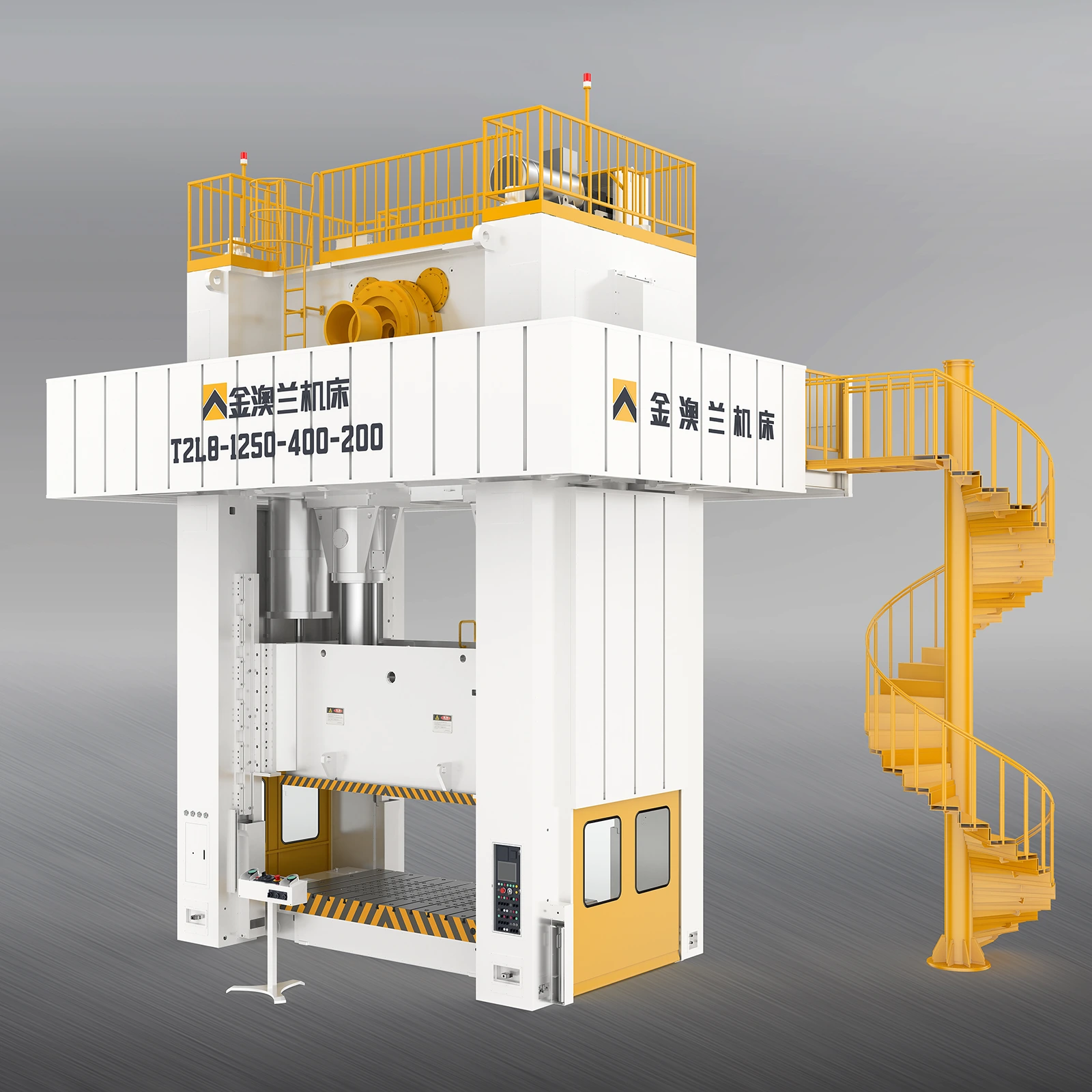
Pneumatic power presses are essential tools in many manufacturing environments, particularly where speed and efficiency are paramount. These machines utilize compressed air to generate force, making them suitable for various applications.
Understanding Pneumatic Systems:
Pneumatic presses operate on the principle of compressed air mechanics. When air is compressed, it can be stored and then released to create movement. This allows for rapid actuation of the press.
Key Components Involved:
1. Compressor: This device compresses air and stores it in a tank, providing the necessary pressure for operation.
2. Cylinder: The cylinder houses the piston, where the compressed air is directed to create force.
3. Piston: As air enters the cylinder, it pushes the piston, which then moves the ram to perform the pressing action.
This simple yet effective system allows pneumatic presses to operate quickly and efficiently.
Pneumatic presses have unique performance characteristics that set them apart from mechanical and hydraulic presses.
● Speed and Cycle Time Advantages:
One of the standout features of pneumatic presses is their ability to cycle quickly. They can achieve rapid actuation, often completing cycles in a matter of seconds. This speed is beneficial in high-volume production environments.
● Force Limitations Compared to Hydraulic and Mechanical Presses:
While pneumatic presses excel in speed, they typically have lower force capabilities. This limitation makes them less suitable for heavy-duty applications requiring significant pressure.
Pneumatic presses offer several advantages, making them an attractive choice for specific tasks.
● Simplicity and Cost-Effectiveness:
The design of pneumatic presses is straightforward, which often translates to lower initial costs. They require less complex machinery compared to hydraulic systems, making them easier to implement in various settings.
● Faster Cycle Times for Lighter Applications:
Their rapid cycle times make them ideal for lighter applications, such as packaging and assembly. This speed can significantly enhance productivity in environments where quick turnaround is essential.
● Maintenance Ease:
Fewer moving parts mean that pneumatic presses generally require less maintenance. This simplicity reduces downtime and operational costs, making them convenient for manufacturers.
Despite their benefits, pneumatic presses have certain limitations that should be considered.
● Lower Force Capabilities:
Compared to hydraulic and mechanical presses, pneumatic presses cannot generate as much force. This limitation makes them unsuitable for heavy-duty tasks that require high pressure.
● Less Precision for High-Tolerance Applications:
Pneumatic presses may not provide the same level of precision as hydraulic presses. This lack of precision can be a drawback in applications that demand tight tolerances.
● Energy Costs:
While pneumatic systems are efficient, they still require energy for air compression. This energy consumption can add up, especially in larger operations where multiple presses are used.
Pneumatic presses are particularly well-suited for specific industries and tasks.
● Industries Best Suited for Pneumatic Presses:
They are commonly used in packaging, electronics, and light assembly. These industries benefit from the speed and efficiency that pneumatic presses offer.
● Ideal for Tasks Requiring Speed Over Force:
Pneumatic presses shine in applications where quick cycles are more important than high force. Tasks like light stamping, assembly, and packaging are perfect examples of where these machines excel.In summary, pneumatic power presses are versatile and efficient machines that serve a variety of applications, especially where speed and simplicity are key.
When evaluating different types of power presses, it’s essential to compare their performance, maintenance needs, operational costs, and safety considerations. Each type—mechanical, hydraulic, and pneumatic—has unique strengths and weaknesses, making them suitable for various applications.
Cycle Times for Each Type:
Mechanical presses generally have the fastest cycle times, often achieving up to 600 strokes per minute. This speed makes them ideal for high-volume production tasks. Hydraulic presses, on the other hand, typically have slower cycle times, ranging from 10 to 30 strokes per minute due to their need for fluid movement. Pneumatic presses fall in between, with cycle times of around 200 to 600 strokes per minute, providing a good balance of speed and force.
Suitability for Different Production Volumes:
● Mechanical Presses: Best for high-volume production where speed is crucial.
● Hydraulic Presses: More suited for low to medium volume tasks requiring high precision.
● Pneumatic Presses: Ideal for lighter applications where speed is prioritized over force.
Maximum Force Capabilities:
Mechanical presses can exert forces ranging from 10 to 200 tons, making them powerful for various applications. Hydraulic presses can achieve even higher forces, often exceeding 1,000 tons, which is crucial for heavy-duty tasks. Pneumatic presses, however, typically have lower force capabilities, maxing out around 50 tons.
Adjustability and Precision in Force Application:
Hydraulic presses excel in adjustability, allowing operators to vary the force applied, which is essential for delicate tasks. Mechanical presses deliver fixed force profiles, limiting their adaptability. Pneumatic presses provide moderate adjustability but lack the precision needed for high-tolerance applications.
Comparison of Energy Consumption Across Types:
Mechanical presses are generally more energy-efficient because they rely on mechanical motion rather than fluid or air compression. Hydraulic presses consume more energy due to the need for pumping fluid, while pneumatic presses require energy for air compression, which can lead to higher operational costs.
Long-Term Operational Costs:
While mechanical presses might have lower energy costs, hydraulic presses can incur higher maintenance and fluid replacement costs. Pneumatic presses, while simpler, still require energy for air systems, which can add up over time.
Type of Press | Energy Consumption | Long-Term Costs |
Mechanical | Low | Moderate |
Hydraulic | High | High |
Pneumatic | Moderate | Moderate |
Complexity and Frequency of Maintenance for Each Type:
Mechanical presses require regular lubrication and checks on mechanical components. Hydraulic presses need more complex maintenance, including fluid replacement and system checks. Pneumatic presses are simpler, requiring less frequent maintenance due to fewer moving parts.
Cost Implications of Upkeep:
Maintenance costs can vary significantly. Mechanical presses typically incur lower costs, while hydraulic presses can be costly due to fluid management. Pneumatic presses are generally the most economical regarding maintenance.
Preventive Maintenance Strategies:
Regular checks and upkeep are vital to avoid costly downtimes. Implementing a preventive maintenance schedule can help ensure all types of presses operate efficiently, extending their lifespan and reducing unexpected failures.
Common Safety Features in Power Presses:
Most power presses come equipped with safety features such as emergency stop buttons, safety guards, and sensors to prevent accidents. These features are essential for protecting operators and ensuring safe operation.
Potential Hazards Associated with Each Type:
● Mechanical Presses: Risks include pinch points and mechanical failures.
● Hydraulic Presses: Potential hazards involve hydraulic fluid leaks and high-pressure failures.
● Pneumatic Presses: Risks mainly stem from compressed air, which can cause injuries if not handled properly.
Operator Training:
Training is crucial for safe operation and maintenance practices. Proper training ensures that operators understand the risks associated with each type of press and know how to use safety features effectively.In summary, comparing mechanical, hydraulic, and pneumatic power presses reveals distinct advantages and disadvantages across performance, maintenance, costs, and safety. Each type serves specific applications, making it essential to choose the right press for your manufacturing needs.
This article highlights the key differences between mechanical, hydraulic, and pneumatic power presses. Each type has unique advantages and limitations based on speed, force output, and maintenance needs. It is essential to assess your specific production requirements before making a decision. Selecting the right power press is crucial for improving manufacturing efficiency and product quality. For expert advice, consider reaching out to KingLan. Their products offer exceptional value, ensuring you find the perfect power press machine tailored to your applications.
A: A power press machine is a mechanical device used to shape, cut, or form materials through the application of force.
A: Mechanical power presses use mechanical energy, while hydraulic power presses utilize fluid pressure to generate force, affecting their performance and applications.
A: A pneumatic power press is ideal for tasks requiring speed and efficiency, especially in light assembly and packaging operations.
A: Hydraulic power presses offer higher force capabilities and adjustable pressure, making them suitable for precision tasks.
A: The cost of a power press varies widely based on type, size, and features, with hydraulic presses generally being more expensive than mechanical ones.
A: Regular maintenance for power presses includes lubrication and checks on mechanical components to ensure optimal performance and longevity.