
Views: 0 Author: Site Editor Publish Time: 2026-02-04 Origin: Site


Are you struggling to choose the right power press for your business? This essential machine plays a crucial role in various industries, from automotive to manufacturing. Selecting the right power press can significantly impact your production efficiency and safety. In this guide, you’ll learn about key factors like tonnage, stroke, speed, and safety features to consider when making your decision.
A power press is a vital machine used in manufacturing to shape or cut materials, primarily metals. It operates by applying significant force through a die, allowing for various processes like bending, punching, and stamping. This capability makes power presses indispensable in industries such as automotive, aerospace, and electronics.
Applications of power presses are diverse. They are commonly used for:
● Metal Forming: Creating parts by shaping metal sheets.
● Cutting: Precision cutting of various materials.
● Stamping: Producing detailed shapes and designs on metal surfaces.
Power presses can be classified into two main types: mechanical and hydraulic. Each type has distinct characteristics, advantages, and ideal applications.
Mechanical power presses utilize a flywheel and clutch mechanism to operate. This design allows for quick, repetitive tasks, making them ideal for high-speed production environments.
Best Applications and Advantages:
● High-Speed Stamping: Excellent for mass production of thin materials.
● Simplicity in Maintenance: Easier to repair compared to hydraulic presses.
Hydraulic power presses use hydraulic cylinders to generate force. This system provides consistent pressure throughout the stroke, making it suitable for various applications.
Ideal Uses and Benefits:
● Deep Drawing: Perfect for forming complex shapes from thick materials.
● Greater Force Control: Offers more flexibility in pressure application.
Both mechanical and hydraulic power presses serve essential roles in manufacturing, but choosing the right one depends on specific needs.
Feature | Mechanical Power Press | Hydraulic Power Press |
Operating Mechanism | Flywheel and clutch | Hydraulic cylinders |
Speed | High | Moderate |
Force Control | Limited | Excellent |
Maintenance | Easier | More complex |
Situational Applications:
● Mechanical Power Press: Best for high-speed operations with thin materials, such as in the electronics industry.
● Hydraulic Power Press: Ideal for heavier materials and applications requiring variable pressure, like in automotive manufacturing.
Understanding these differences helps in selecting the right power press for your specific needs, ensuring efficiency and productivity in your operations.
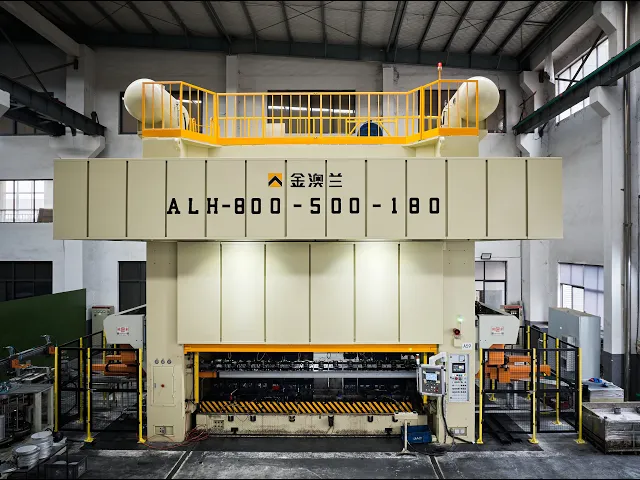
Tonnage refers to the amount of force a power press can exert, typically measured in tons. It’s a critical factor in selecting the right machine for your needs. The correct tonnage ensures that the press can handle the material without causing damage or inefficiency.
To determine the necessary tonnage, you can use the following formula:
$$ \text{Tonnage Required} = \text{Perimeter of the part} \times \text{Material Thickness} \times \text{Material Shear Strength} $$
For instance, if you're working with automotive components made of mild steel, the required tonnage will differ significantly from that needed for heavy structural parts. Here’s a quick reference table for common applications:
A frequent error is either overestimating or underestimating tonnage needs. Overestimating can lead to unnecessary costs, while underestimating may result in machinery damage or production delays. Each scenario has its consequences, impacting both efficiency and safety.
It’s advisable to add a safety margin, typically around 20%, to your calculated tonnage. This buffer helps prevent overloading the machine and ensures consistent performance during operation.
Stroke length is the distance the ram travels during operation. It plays a vital role in determining how deep the press can form or cut materials. Understanding stroke length is essential for ensuring that the power press meets your specific application requirements.
Stroke length directly affects the depth of forming and cutting. For example, deep drawing applications require longer strokes to accommodate taller materials. Conversely, shorter strokes may suffice for simple stamping tasks.
When selecting the appropriate stroke length, consider the height of the material and the type of operation. A mismatch can lead to inefficiencies, such as incomplete forming or wasted time.
Stroke speed influences how quickly the press can complete its tasks. A higher speed can lead to increased efficiency and output quality, but it must be balanced with precision to prevent defects in the finished product.
Speed in power presses is typically measured in strokes per minute (SPM). It’s crucial for determining how quickly the machine can operate. The right speed can enhance productivity without sacrificing quality.
The speed of a power press significantly affects overall production efficiency. High speeds can improve output but may compromise precision if not managed carefully. Thus, finding the right balance is essential for maintaining quality.
Several factors influence speed selection, including the type of material being processed and the complexity of the work. For instance, heavier materials may require slower speeds to ensure accurate cuts and forms.
Mass production often benefits from higher speeds, as the processes are repetitive and require efficiency. In contrast, custom jobs might need slower speeds to accommodate intricate designs and detailed work.
Production Type | Speed Requirement |
Mass production | High speed (e.g., 80-120 SPM) |
Custom jobs | Moderate speed (e.g., 40-60 SPM) |
Understanding these key factors—tonnage, stroke length, and speed—will guide you in selecting the ideal power press for your specific needs, ensuring optimal performance and productivity.
Safety is paramount when operating power presses. These machines, while efficient, pose significant risks if not handled properly. Common safety hazards include mechanical failures, operator errors, and improper use of equipment.
According to industry statistics, machinery-related accidents account for a substantial percentage of workplace injuries. In fact, the Occupational Safety and Health Administration (OSHA) reports that nearly 20% of all workplace injuries involve machinery. This highlights the critical need for robust safety measures in power press operations.
When selecting a power press, it’s essential to consider various safety features that enhance operational safety. Here are some key components:
PLCs play a vital role in automating processes and ensuring operational safety. They can monitor machine functions, detect anomalies, and execute emergency shutdowns. This functionality greatly reduces the risk of accidents by providing real-time feedback and control.
Safety light curtains act as a protective barrier around the machine. They detect when an operator enters a dangerous area, automatically stopping the press to prevent injury. Emergency stop buttons are also crucial, allowing operators to halt operations instantly in case of an emergency.
Force monitoring systems help ensure the machine operates within safe limits. By continuously measuring the force applied during operations, these systems can prevent excessive pressure that could lead to equipment failure. Die protection sensors further enhance safety by detecting misalignments or obstructions, automatically stopping the press to prevent damage.
Safety Feature | Function |
Programmable Logic Controllers | Automates processes and monitors safety |
Safety Light Curtains | Stops machine when an operator enters danger |
Force Monitoring Systems | Prevents excessive pressure |
Die Protection Sensors | Detects misalignments and stops the press |
Beyond these primary features, effective training systems and operator safety protocols are critical. Training ensures that operators understand the machine’s functions and safety measures. Regular drills and updates on safety practices can significantly reduce risks.
To maximize safety in power press operations, implementing best practices is essential.
All operators should undergo thorough training and certification. This training should cover machine operation, safety protocols, and emergency procedures. Regular refresher courses can help keep skills sharp and knowledge current.
Routine maintenance and inspections are vital for identifying potential issues before they lead to accidents. Establishing a regular schedule for checking components can help ensure everything functions correctly.
Maintenance Task | Frequency |
Visual Inspection | Daily |
Lubrication | Weekly |
Comprehensive Check | Monthly |
Always adhere to the manufacturer’s guidelines for operation and maintenance. These guidelines provide specific instructions tailored to the machine, ensuring optimal performance and safety.
Encouraging a culture of safety among all staff is crucial. Regular meetings to discuss safety practices, along with open communication about potential hazards, can foster a safer working environment. When everyone prioritizes safety, the risk of accidents decreases significantly.
Selecting the right power press manufacturer is crucial for ensuring quality and reliability. Here are some key factors to consider:
1. Experience: Look for manufacturers with a proven track record in the industry. Experienced companies often have refined processes and better quality control.
2. Certifications: Check for industry certifications, such as ISO 9001. These certifications indicate adherence to international quality standards.
3. Customer Reviews: Reading customer feedback can provide insights into the manufacturer’s reputation. Positive reviews often reflect good service and product reliability.
Factor | Importance |
Experience | Indicates reliability and expertise |
Certifications | Ensures adherence to quality standards |
Customer Reviews | Reflects user satisfaction and trust |
After-sales support is another critical aspect. A manufacturer should offer responsive customer service to address any issues that arise after purchase. Additionally, the availability of spare parts is essential for maintaining your power press over time. Manufacturers who provide easy access to parts can save you both time and money in the long run.
Working with manufacturers that offer customization can significantly enhance your production capabilities.
Customization allows you to tailor the power press to meet specific operational needs. This flexibility can lead to improved efficiency and better product quality. For instance, you might need a unique stroke length or tonnage capacity that standard models do not provide.
Manufacturers often offer various customization options, such as:
● Stroke Length Adjustments: Tailoring the stroke length for specific applications.
● Control Systems: Upgrading to advanced PLCs for better automation.
● Safety Features: Adding additional safety mechanisms based on your operational environment.
Customization Option | Benefit |
Stroke Length Adjustments | Fits specific material requirements |
Control Systems | Enhances operational efficiency and safety |
Safety Features | Provides tailored protection for operators |
Evaluating a manufacturer’s reputation is vital before making a purchase. Check industry forums, review sites, and social media for feedback. Look for patterns in customer experiences, both positive and negative. Engaging with other businesses that have purchased from the manufacturer can also provide valuable insights.
By considering these factors, you can make a well-informed decision when selecting a power press manufacturer. Ensuring that you choose a reputable company will help you achieve the best results for your production needs.
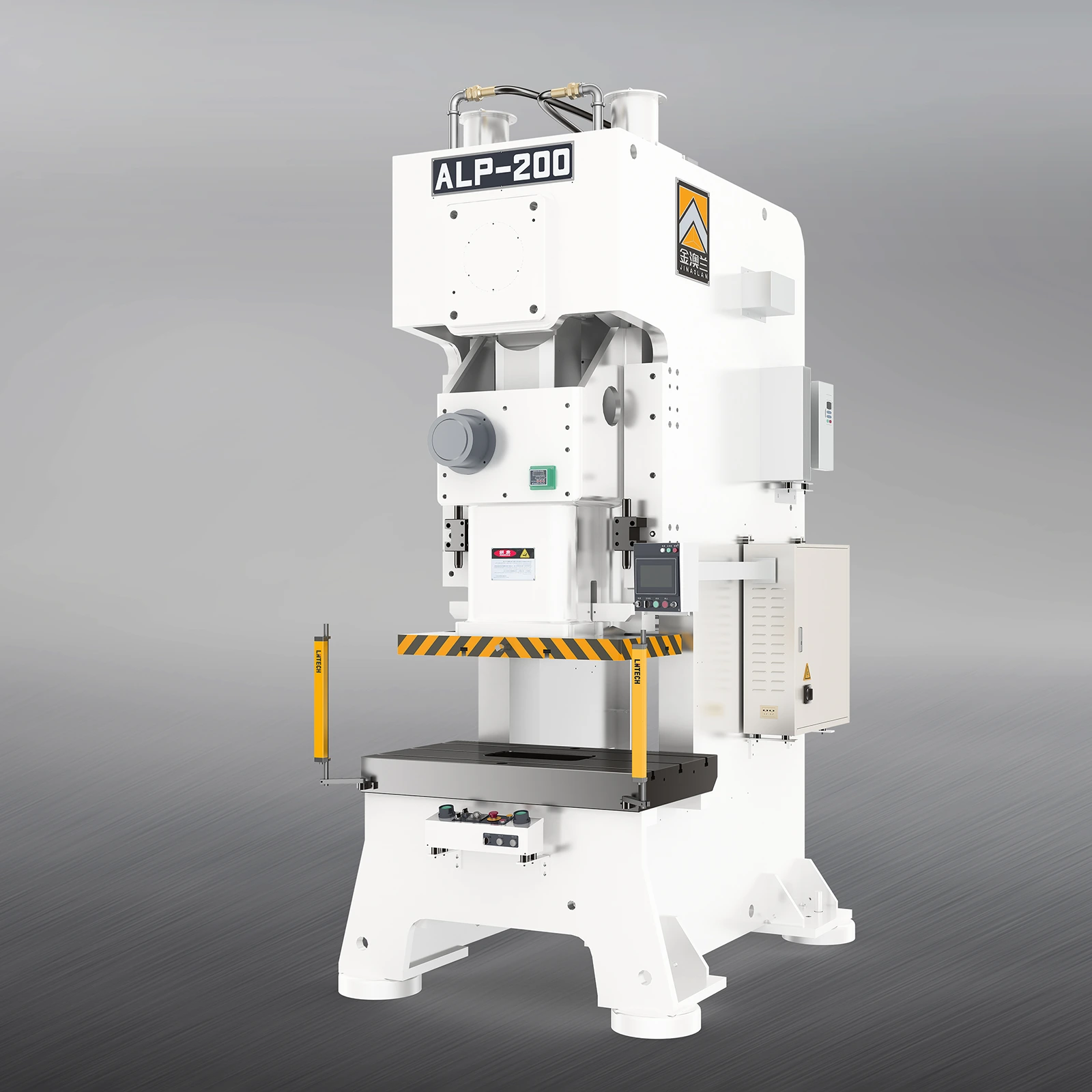
When considering the purchase of a power press, evaluating both initial investment and long-term costs is essential. Understanding the total cost of ownership (TCO) helps you make informed decisions about your equipment.
TCO includes not only the purchase price but also all associated costs throughout the equipment's life cycle. This encompasses installation, maintenance, operational expenses, and any potential downtime. By assessing TCO, you gain a comprehensive view of what the power press will truly cost over time.
Cost Component | Description |
Purchase Price | Initial cost of the power press |
Installation Costs | Expenses related to setting up the machine |
Maintenance Costs | Ongoing costs for repairs and servicing |
Operational Costs | Energy consumption and labor costs during use |
While the initial purchase price of a power press may seem high, it’s crucial to compare this with long-term costs. For instance, a cheaper machine might incur higher maintenance costs or require more frequent repairs. In contrast, investing in a higher-quality power press could result in lower operational expenses and increased reliability.
Comparison Factor | Low-Cost Press | High-Quality Press |
Initial Cost | Lower initial investment | Higher upfront cost |
Maintenance Frequency | More frequent repairs | Less frequent maintenance |
Operational Efficiency | Lower efficiency | Higher efficiency |
This article covers essential aspects of buying a power press, including tonnage, stroke, speed, and safety features. It emphasizes the importance of evaluating the total cost of ownership and understanding the long-term implications of your investment. When selecting a power press, take your time to ensure you make an informed decision. Consider the unique advantages offered by products from KingLan, which provide exceptional reliability and performance. Their commitment to quality and customer service ensures you receive great value for your investment.
A: A power press is a machine used for shaping and cutting materials through applied force. It can be mechanical, hydraulic, or pneumatic.
A: Hydraulic power presses use hydraulic fluid to generate force, allowing for greater tonnage and precision in metal forming applications.
A: Mechanical power presses are known for their speed and efficiency, making them ideal for high-volume production tasks.
A: Pneumatic power presses use compressed air, offering quick operation and lower maintenance costs compared to hydraulic models.
A: Consider factors like the material being processed, required tonnage, and the specific application to choose the right power press type.
A: The costs vary based on the type and specifications of the power press, including initial purchase price and long-term maintenance expenses.